Rama Ekadashi 2026 Date, Vrat Vidhi and Parana Time

Dheeraj Khandelwal
calender October 30, 2026

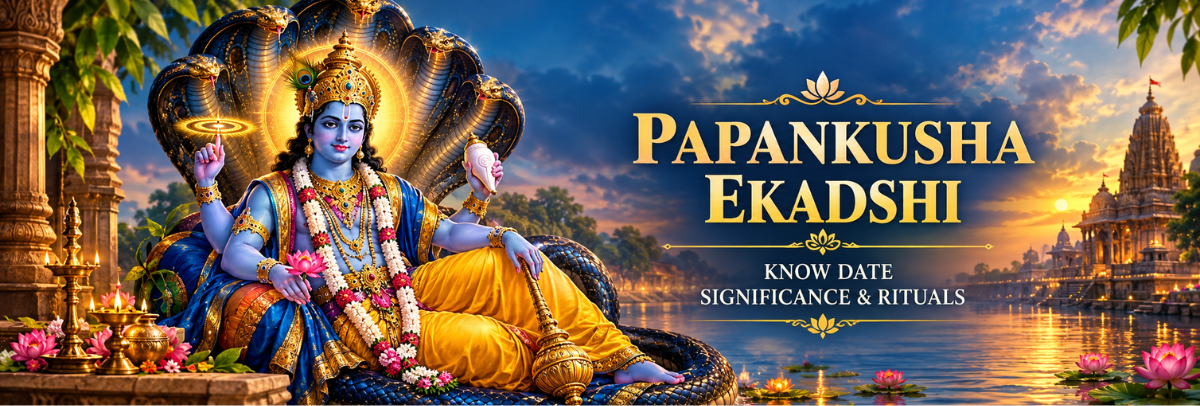
Before sunrise, a small brass lamp is lit in front of a framed picture of Lord Vishnu. A string of fresh Tulsi leaves sits on a steel plate, a few bananas beside it, and the house is still quiet. For many families, this is how Rama Ekadashi 2026 will begin. The observance is dedicated to Lord Vishnu and to Goddess Lakshmi, who is also known as Rama, which gives the day its name.


Devotees keep the fast to cultivate restraint and devotion. Just as importantly, the vrat does not end with Ekadashi itself. It is completed on the following Dwadashi, when the fast is broken at the proper time. That is why so many readers search for the Rama Ekadashi parana time as much as for the date.


Rama Ekadashi 2026: Date, Tithi and Parana Time


Detail Information
Rama Ekadashi date Thursday, 5 November 2026
Ekadashi Tithi begins 4 November 2026, 11:03 AM
Ekadashi Tithi ends 5 November 2026, 10:35 AM
Parana date Friday, 6 November 2026
Reported Parana window 6:37 AM to 8:48 AM
Alternative reported end time 10:12 AM, given by some sources


A note on these timings. The times above are drawn from published panchang research and are shown for a single reference location, not for every city. Sunrise, Tithi and Dwadashi timings shift from place to place, so the Parana window in Hyderabad, Mumbai or Kolkata can differ from the one above. Some sources also give a later end time of 10:12 AM, which reflects a different method of calculation, so the two figures should not be treated as interchangeable. Please check your own city’s panchang, or ask your family priest, before you finalise your plan.


The observance date can also depend on the Hindu calendar tradition you follow, which is why you may see slightly different dates in different regions.


What Is Rama Ekadashi and Why Is It Observed?


Rama Ekadashi falls on the eleventh lunar day of Krishna Paksha, the waning fortnight. It is usually associated with the month of Kartik in the Amanta calendar, while the Purnimanta tradition names the same fortnight differently. The day is closely tied to the worship of Lord Vishnu and Goddess Lakshmi.


Within Hindu tradition, Ekadashi is a day for fasting, prayer and self-restraint. Devotees believe that observing it with sincerity supports spiritual purification, deepens devotion and, in the long run, leads towards moksha, or liberation. These are beliefs held within the tradition rather than guaranteed outcomes, and many people keep the vrat simply for the discipline and calm it brings.


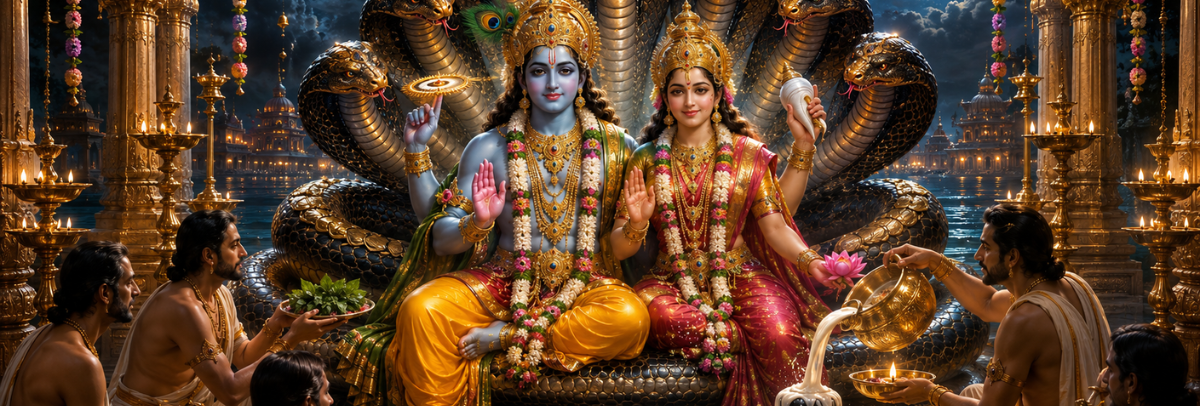
The name matters here. Rama is another name for Lakshmi, so this Ekadashi is understood as a day when devotees seek the blessings of both Vishnu and Lakshmi, for peace of mind and for a stable, contented household.


Rama Ekadashi Vrat Vidhi: Rituals from Dashami to Ekadashi


  1. Preparation on Dashami: The vrat begins quietly the day before. On Dashami, many families eat a simple saatvik meal and avoid meat, onion and garlic, though the exact rules differ between households.

  2. Morning Puja on Ekadashi: Devotees wake early, bathe and put on clean clothes. A clean corner is prepared, and images or idols of Lord Vishnu and Goddess Lakshmi are placed there. Offerings usually include flowers, fruit, Tulsi leaves, incense and a lamp. Prayers, Vishnu mantras and an Aarti follow. What is offered, and how, varies from one home and region to another.

  3. Fasting Rules: Some devotees keep a strict Nirjala fast, taking neither food nor water. Many others follow a Phalahar fast, eating fruit, milk and dry fruits. Grains, rice and beans are traditionally avoided on Ekadashi. Fasting practices differ, and a strict fast is not right for everyone. If you have a health condition, take regular medication, are pregnant or are older, or if the fast is for a child, put your health first and speak to a doctor. A lighter, sincere observance is just as valid.

  4. Evening Worship and Night Vigil: In the evening, devotees often chant Om Namo Bhagavate Vasudevaya, sing bhajans, read from the Bhagavad Gita and listen to the Rama Ekadashi Vrat Katha. Some stay awake for part or all of the night in devotion, though practices vary.


Rama Ekadashi Vrat Katha: The Story of Chandrabhaga and Shobhan


The story is told of King Muchukunda, a devout ruler who kept Ekadashi himself and expected his kingdom to do the same. His daughter Chandrabhaga was married to Shobhan, a gentle but physically frail man.


Shobhan once visited his father-in-law’s kingdom just as Rama Ekadashi arrived. The rule of the land was that nobody ate on that day. Shobhan was worried about whether he could endure the fast, and Chandrabhaga could offer only encouragement, since the custom was firm. He chose to observe the vrat, but the hunger proved too much for his weak body, and he died before the fast was over.


Tradition says that because of the merit of the Ekadashi he had observed, Shobhan was granted a splendid, if impermanent, kingdom in the afterlife. Chandrabhaga, who continued to keep the Ekadashi fasts with devotion, is said to have later helped him secure a lasting place. Different retellings vary in their details, and this is a shortened version of one widely told account.


The central message is one of faith. Even an imperfect observance, kept sincerely, is believed to carry spiritual weight.


Rama Ekadashi Parana Time: When and How to Break the Fast


Parana means formally ending the Ekadashi fast. It is traditionally done on Dwadashi, the following lunar day, and within a prescribed window. Skipping the window, or postponing it without regard to the timing, is generally seen as leaving the vrat incomplete.


For 6 November 2026, the reported Rama Ekadashi parana time is 6:37 AM to 8:48 AM, with some sources giving a later limit of 10:12 AM. Treat these as a guide only. The exact window for your city depends on:


  • local sunrise time
  • the Dwadashi Tithi in your location
  • Hari Vasara, the early part of Dwadashi, during which Parana is traditionally avoided


Many families begin Parana with a small offering such as Charanamrit, or a bite of Tulsi-blessed prasad, before sitting down to a regular meal. Others follow different customs, and no single ritual is compulsory for every devotee.


Dwadashi Significance: Completing the Ekadashi Vrat


Dwadashi is not simply the day after Ekadashi. It is where the vrat is concluded. Tradition holds that timely Parana completes the observance, and that Ekadashi together with Dwadashi rituals brings spiritual merit, including purification, the blessings of Vishnu and Lakshmi, prosperity and moksha.


Charity is also part of the day for many families. Donating food, clothes or money to people in need, or supporting a temple, is seen as a natural way to close the fast.


You may also come across the name Krishna Padmanabha Dwadashi 2026 in some panchang listings. Naming conventions for Dwadashi days differ across calendars, and this is not another name for Rama Ekadashi. If you see it, confirm its meaning with your local panchang or priest.


Practical Tips for Observing Rama Ekadashi 2026


  • Check your local panchang a few days ahead, and note your city’s Parana window.

  • Arrange puja items the day before: flowers, Tulsi, fruit, incense, a lamp and ghee.

  • Choose a fasting style that suits your health and circumstances.

  • Where local customs differ from what you read online, follow your family tradition or ask a trusted priest.


Conclusion

Rama Ekadashi 2026 brings together devotion to Lord Vishnu and Goddess Lakshmi, a day of disciplined observance, and the lesson of Chandrabhaga and Shobhan’s story. Its vrat is completed only when the fast is broken on Dwadashi, so it is worth confirming your local Parana time before you begin.


Planning a pilgrimage to follow the festive season? EasyDarshan helps devotees organise darshan and temple tours with convenient travel arrangements, so you can focus on the journey rather than the logistics. Explore our tour packages and plan your next visit with us.


Frequently Asked Questions


Q1. When is Rama Ekadashi in 2026?
Ans. Rama Ekadashi falls on Thursday, 5 November 2026. The Tithi begins on 4 November at 11:03 AM and ends on 5 November at 10:35 AM, based on the supplied research. Confirm against your local panchang.


Q2. What is the Rama Ekadashi Parana time in 2026?
Ans. The reported window on Friday, 6 November 2026 is 6:37 AM to 8:48 AM, although some sources give 10:12 AM as a later limit. Because Parana depends on local sunrise and Dwadashi timings, check the exact window for your city.


Q3. What are the main rules of Rama Ekadashi vrat vidhi?
Ans. Eat a simple saatvik meal on Dashami, then bathe and worship Lord Vishnu and Goddess Lakshmi on Ekadashi with Tulsi, flowers, a lamp and prayers. Grains, rice and beans are traditionally avoided, and the fast is broken on Dwadashi. Choose a fast that suits your health.


Q4. What is the story behind the Rama Ekadashi Vrat Katha?
Ans. It tells of Shobhan, son-in-law of King Muchukunda, who observed the Ekadashi fast in his father-in-law’s kingdom despite his frailty. Tradition says the merit of his observance, and of his wife Chandrabhaga’s devotion, secured him a favourable fate.


Q5. Why is Dwadashi important after Rama Ekadashi?
Dwadashi is when the fast is traditionally concluded through Parana. Timely Parana is believed to complete the vrat, and charity on this day is seen as part of the observance.

You Might Also Be Interested In This