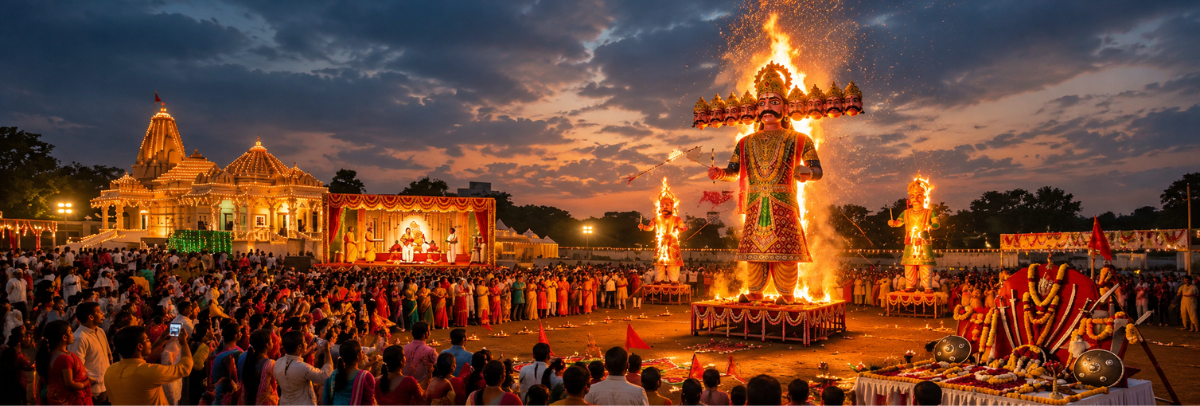
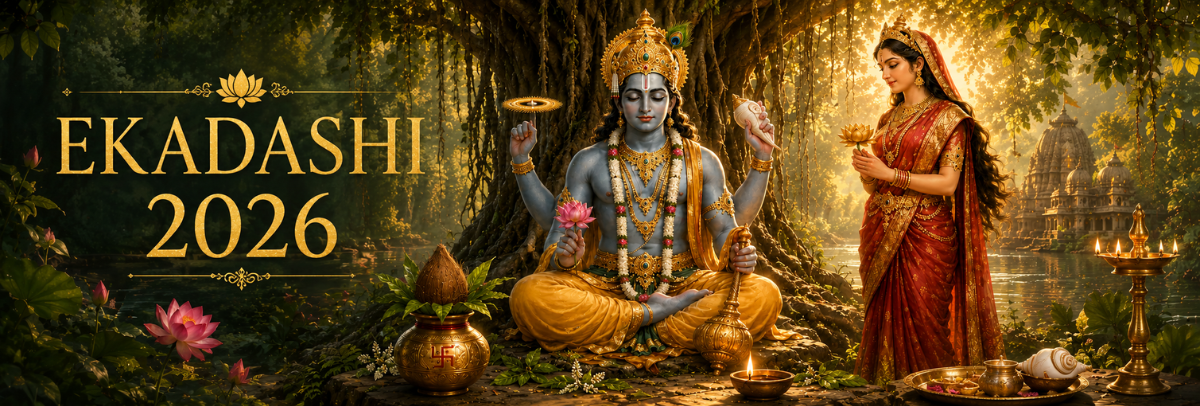
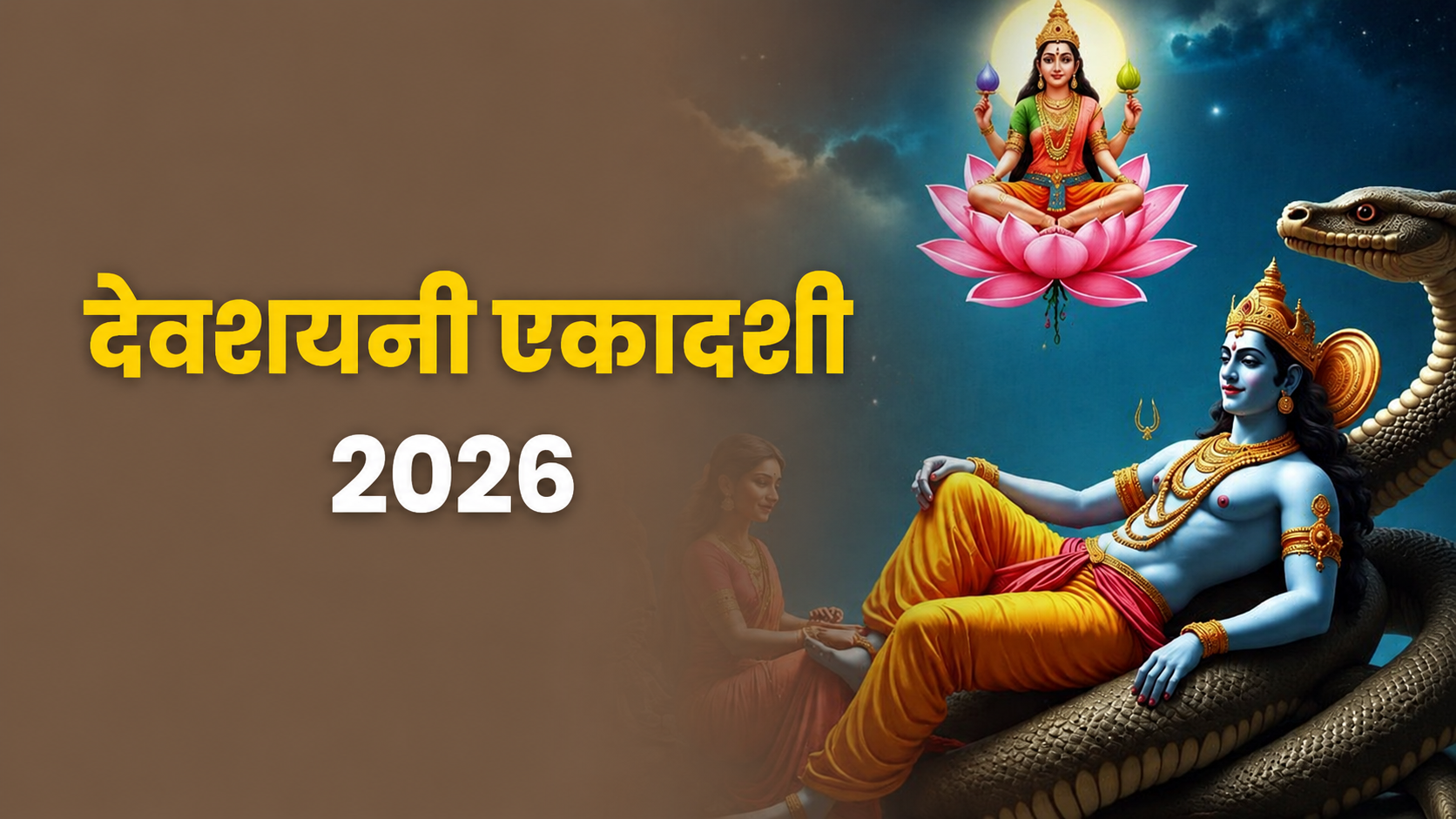
Around the time the monsoon loosens its hold, the Hindu calendar turns towards its fortnight of remembrance. Pitru Paksha is when families pause to think about the ones who came before them: grandparents, great-grandparents, and relatives whose names may now be spoken only once a year. Water is offered, food is set aside, and prayers are said. Within this fortnight falls Indira Ekadashi, a day of fasting and Vishnu worship that many families dedicate to their ancestors. In 2026, Indira Ekadashi falls on Tuesday, 6 October, with Parana, the breaking of the fast, on the morning of 7 October.
When Is Indira Ekadashi in 2026?
Indira Ekadashi is the Ekadashi of the Krishna Paksha, the waning fortnight, of the month of Ashwin. Because this fortnight overlaps with Pitru Paksha, it carries a character the other Ekadashis don't. Here are the timings for this year:
| Detail |
Date/Time |
| Indira Ekadashi 2026 |
Tuesday, 6 October 2026 |
| Paksha |
Ashwin Krishna Paksha |
| Ekadashi Tithi Begins |
6 October, 2:07 AM |
| Ekadashi Tithi Ends |
7 October, 12:34 AM |
| Parana |
7 October, 6:17 AM–8:38 AM |
Panchang timings shift with sunrise, so the Parana window can differ from city to city. Check a reliable local Panchang before you plan your morning.
A quick note on the terms. Ekadashi means "eleventh" and refers to the eleventh lunar day of each fortnight, which comes twice a month and is traditionally given to Vishnu. Parana is the ritual breaking of the fast on the following day, within a set window after sunrise.
Why Is Indira Ekadashi Observed During Pitru Paksha?
Most Ekadashis are about the devotee's own discipline and devotion. Indira Ekadashi turns that effort outward. Because it arrives while families are already performing rituals for their departed, it has long been treated as a day to dedicate the merit of the fast to ancestors.
According to traditional belief, an ancestor who is struggling in the realm of Yama can be helped by the spiritual merit a descendant earns through this vrat, and may be released towards Vaikuntha, the abode of Vishnu. Believers also hold that the family benefits, with a settled home and the ancestors' goodwill. These are religious beliefs handed down through scripture and practice, and devotees hold them with varying degrees of literalness. Many observe the day simply as a way of remembering their dead with care.
Its timing gives Indira Ekadashi a quieter, more inward feel than a festival day. There are no grand processions. The atmosphere is closer to a family sitting together and remembering.
Indira Ekadashi 2026 Vrat: How Is the Fast Observed?
The vrat begins before the day itself, with a simple, early meal on the day before and a mindful evening. On Ekadashi morning, devotees traditionally rise early, ideally in Brahma Muhurta, the hour or so before dawn, and bathe. Clean clothes are put on and the worship space is prepared.
Then comes the Sankalp, a spoken resolve made before Lord Vishnu. The devotee states that they are observing the fast, and, if they wish, that the merit is offered for their ancestors. It is a short moment, but it sets the intention for the whole day.
How strictly the fast is kept varies a great deal. Some families abstain from all food and water. Others take only fruit, milk or water, and many avoid grains and pulses. Some elderly or unwell devotees follow a lighter version, and traditions differ by region and household, so no single method is the correct one. The fast is meant to be adapted to what a person can sustain. It is a spiritual discipline and is not offered as a health practice.
The rest of the day goes to prayer: Vishnu bhajans, reading from scripture, or quiet time at the home shrine. Ancestors are remembered, often by name, and the fast is broken the next morning during the Parana window.
Indira Ekadashi Puja Vidhi
The ritual is simple enough to do at home without a priest. The sequence below is the commonly followed one.
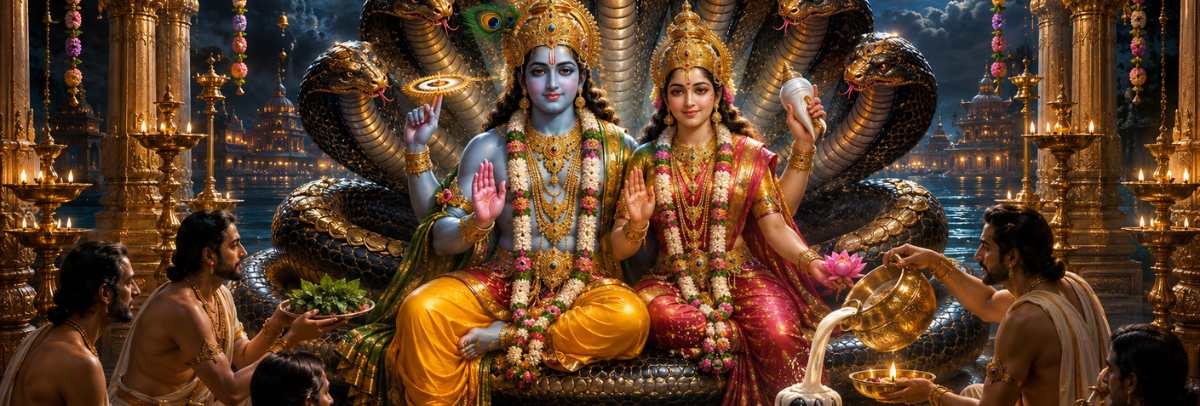
- Prepare the space. Clean the puja area and place an image or idol of Lord Vishnu. For this observance he is traditionally worshipped as Shri Padmanabha, the form with a lotus rising from his navel.
- Light the lamp and incense. A ghee lamp and incense mark the start of worship. The lamp is a symbol of light, and it is the first offering in most Vishnu pujas.
- Offer water, yellow flowers and Tulsi. Yellow is Vishnu's colour, and marigolds are the usual choice. Tulsi leaves are dear to him in tradition. In many households, a Vishnu puja without Tulsi is considered incomplete.
- Offer Panchamrit and fruit. Panchamrit is a mix of milk, curd, honey, sugar and ghee. The five ingredients are why it is called pancha, meaning five. Seasonal fruits are placed alongside as bhog.
- Recite mantras. Vishnu mantras or the Vishnu Sahasranama, the thousand names of Vishnu, are chanted. If you don't know them, listening to a recitation is a widely accepted alternative.
- Read or listen to the Vrat Katha. More on this below.
- Evening prayers and aarti. The day closes with a lamp waved before the deity, and the aarti is sung.
- Give in charity. Food, clothes or a donation to someone in need is offered, with the merit dedicated to one's ancestors.
Indira Ekadashi Vrat Katha: The Story Behind the Observance
Every Ekadashi has its own katha, and this one ties the vrat directly to family duty. What follows is the traditional narrative as it is commonly told, and it is a scriptural story, not a historical record.
Long ago, a king named Indrasena ruled the city of Mahishmati. He was devoted to Vishnu and governed justly. One day the sage Narada arrived at his court with news from the realm of Yama. There, he said, he had seen the king's father, who was suffering and could not move on. The cause was said to be a vow of Ekadashi that had been left unfinished in his lifetime.
The father had sent a message: if his son observed Indira Ekadashi and offered its merit to him, he could be freed. Indrasena asked how the vrat should be kept, and Narada explained the rites. The king performed them faithfully, and in the tradition's telling, his father was released and ascended to Vaikuntha, Vishnu's abode.
The katha is read or heard as part of the puja for a reason. It reminds the devotee why the fast is being kept, and that the vrat is meant as an act of care for ancestors, not only personal discipline. Many families read it aloud together so that children learn it too.
Indira Ekadashi and Ancestor Worship
Pitru Paksha has its own established rituals: Shraddha, in which food is offered in the ancestors' name, and Tarpan, the offering of water with sesame. These are performed on specific days according to the date of a family member's passing. Indira Ekadashi does not replace them, and traditional guidance is clear that they remain necessary. The Ekadashi vrat is an addition, a day of fasting, prayer and charity set alongside those rites.
What devotees do is mentally and ritually dedicate the day's merit to their departed. That might be stated in the Sankalp, repeated during the puja, and expressed again through the charity given at the end of the day. Some families will also speak the names of those they are remembering.
Ideas like Pitru Dosha, a belief that unresolved ancestral obligations can trouble a family, come up in this context too. They belong to a particular tradition and are understood in different ways. Some families take them literally, while others see them as a way of expressing gratitude and duty towards past generations. Either way, the practice comes down to remembering.
What to Offer During Indira Ekadashi Puja?
| Offering |
Traditional Use |
| Tulsi leaves |
Offered to Lord Vishnu |
| Yellow flowers |
Used in Vishnu worship |
| Panchamrit |
Traditional sacred offering |
| Seasonal fruits |
Offered as bhog |
| Ghee lamp |
Part of the puja |
| Incense |
Used during worship |
None of these is compulsory. A household that can only manage a lamp, a few Tulsi leaves and sincere prayer is still observing the day. Availability and family custom decide what ends up on the plate.
Indira Ekadashi Parana Time 2026
Parana means breaking the Ekadashi fast, and it has a fixed window.
7 October 2026, 6:17 AM to 8:38 AM
The exact window can change with local sunrise and Panchang calculations, so verify the timing for your city before you eat. Parana is treated as part of the vrat, not an afterthought. Breaking the fast outside the window, or before the Ekadashi tithi has properly ended, is traditionally said to weaken the observance. A light meal after a short prayer is the usual way to close it, and many households begin with Tulsi water or a small offering of prasad.
Religious Significance of Indira Ekadashi
Several themes come together on this day. There is devotion to Vishnu, expressed through worship. There is the self-discipline of the fast, which many find steadying in itself. There is remembrance of ancestors during Pitru Paksha, and there is charity, with merit dedicated to others rather than kept for oneself.
Hindu tradition also attaches beliefs to the observance: that it purifies, that it can help ancestors towards liberation, and that it brings well-being to the family. These are matters of faith and are presented here as such, not as guarantees.
Indira Ekadashi 2026: Quick Guide
|
What to Know
|
Details
|
|
Date
|
6 October 2026
|
|
Day
|
Tuesday
|
|
Tithi
|
Ashwin Krishna Paksha Ekadashi
|
|
Tithi Begins
|
2:07 AM, 6 October
|
|
Tithi Ends
|
12:34 AM, 7 October
|
|
Parana
|
6:17 AM–8:38 AM, 7 October
|
|
Main Deity
|
Lord Vishnu
|
|
Key Connection
|
Pitru Paksha and remembrance of ancestors
|
Conclusion
Indira Ekadashi joins four things in one day: fasting, Vishnu worship, charity and remembrance of ancestors. It arrives when families are already thinking about those who came before, and gives that thought a form to take, whether a lamp, a few Tulsi leaves, a story or a meal shared with someone in need.
The details will look different in different homes. Some families fast completely, some keep it light, and some read the katha aloud while others prefer silence. The core stays the same: devotion, discipline and remembrance.
FAQs
Q1. When is Indira Ekadashi in 2026?
Ans. Indira Ekadashi falls on Tuesday, 6 October 2026. The tithi begins at 2:07 AM on 6 October and ends at 12:34 AM on 7 October.
Q2. What is the Parana time for Indira Ekadashi 2026?
Ans. Parana is on 7 October 2026, between 6:17 AM and 8:38 AM. The window can vary by location, so check a local Panchang.
Q3. What is the puja vidhi for Indira Ekadashi?
Ans. After a bath and a Sankalp, place an image of Lord Vishnu (traditionally as Shri Padmanabha), light a ghee lamp and incense, and offer water, yellow flowers, Tulsi and Panchamrit. Then recite Vishnu mantras, hear the Vrat Katha, perform the evening aarti and give to charity.
Q4. Why is Indira Ekadashi important during Pitru Paksha?
Ans. It falls within the fortnight devoted to ancestors, so devotees dedicate its merit to their departed relatives. Tradition holds that this may help ancestors towards liberation, though it is a matter of belief and does not replace Shraddha or Tarpan.
Q5. What can devotees offer during Indira Ekadashi puja?
Ans. Common offerings are Tulsi leaves, yellow flowers, Panchamrit, seasonal fruits, a ghee lamp and incense. None is compulsory, and families offer what they can.