On the evening before an Ekadashi fast, many households go quiet in a particular way. The kitchen closes early, the puja shelf is dusted, and someone checks the Panchang one more time to be sure of the date. Papankusha Ekadashi 2026 asks for exactly this sort of preparation, and the name itself gives devotees something to think about while they do it.
Ekadashi falls on the eleventh day of each lunar fortnight and is set aside for fasting, prayer and devotion to Lord Vishnu. Papankusha Ekadashi is the one observed in the Shukla Paksha, the waxing fortnight, of the month of Ashwin. Devotees keep the vrat to seek spiritual merit and release from the weight of past wrongs.
Here are the essentials at a glance:
- Papankusha Ekadashi: Thursday, 22 October 2026
- Ekadashi Tithi begins: Wednesday, 21 October 2026, at 2:11 PM
- Ekadashi Tithi ends: Thursday, 22 October 2026, at 2:47 PM
- Parana: Friday, 23 October 2026, from 6:27 AM to 8:42 AM (New Delhi and standard-region timings)
The sections below cover the date and Tithi, the Parana window, the puja vidhi, fasting practices and the meaning behind the observance.
What the Name Papankusha Means
Papa means sin or wrongdoing. Ankusha is the goad, the iron hook a mahout uses to steer an elephant. Put together, the name suggests a tool for guiding something large and unruly in a better direction.
Traditionally, the name is read symbolically. The vrat is seen as a discipline that helps a person check their own impulses, much as the goad checks the elephant, and turn towards a more restrained and mindful way of living. It is worth keeping that image in mind through the day, because it frames the fast as an exercise in self-direction rather than something to be endured.
Papankusha Ekadashi 2026 Date and Tithi Timings
The Papankusha Ekadashi date for 2026 is Thursday, 22 October. The Ekadashi Tithi begins on the afternoon of Wednesday, 21 October, and ends on the afternoon of 22 October. The vrat is observed on 22 October, the day on which the Tithi is in force at sunrise, and not on the day the Tithi merely begins. The start and end times are there to place the Tithi on the calendar, not to tell you when to begin fasting.'
| Detail |
Information |
| Dussehra 2026 |
Tuesday, 20 October 2026 |
| Bengal Vijaya Dashami |
Wednesday, 21 October 2026 |
| Dashami Tithi |
20 October, 12:50 PM to 21 October, 2:11 PM |
| Vijay Muhurat (New Delhi) |
1:59 PM to 2:45 PM |
| Aparahna Puja (New Delhi) |
1:14 PM to 3:30 PM |
| Major traditions |
Ravan Dahan, Shami Puja, Aparajita Puja, Ayudha Puja, Durga Visarjan |
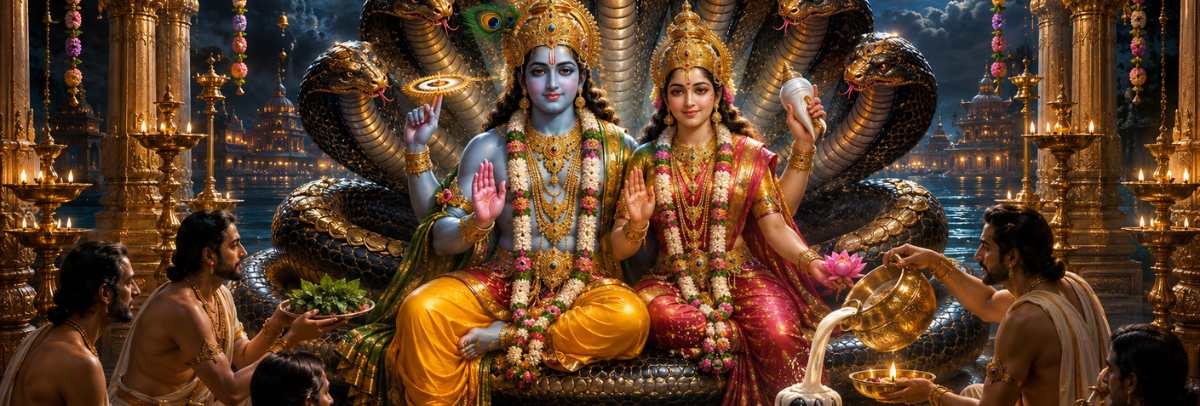
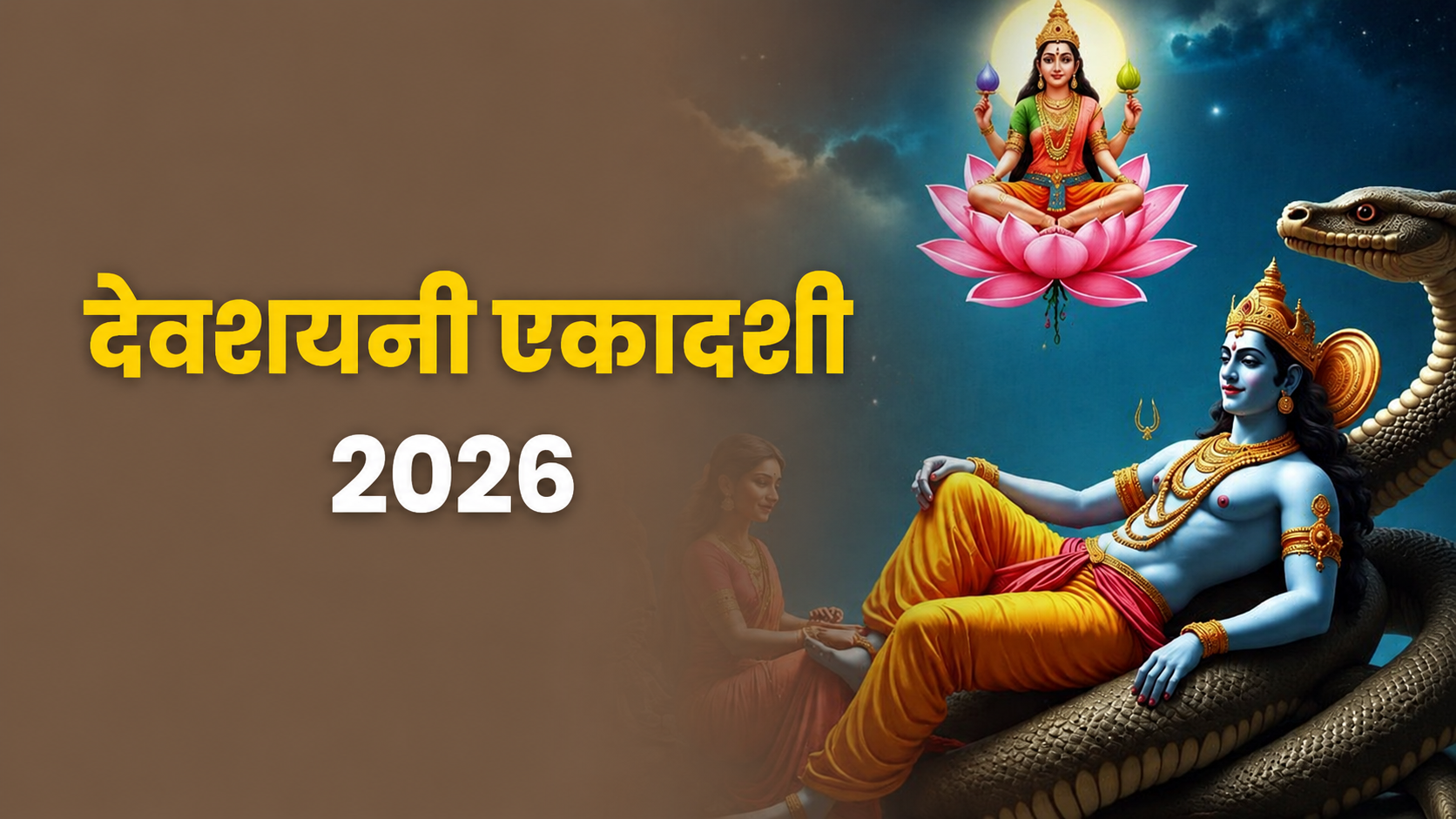
This Ekadashi falls in Ashwin Shukla Paksha, in the days following Navratri and Dussehra. It is associated with the worship of Lord Vishnu, particularly in his Padmanabha form, the one in which he rests with a lotus rising from his navel.
Papankusha Ekadashi Parana Time 2026
The fast is broken on the following day, Dwadashi, through a ritual known as Parana. For most devotees this is the detail that matters most, since breaking the fast outside the prescribed window is traditionally avoided.
- Parana date: Friday, 23 October 2026
- Parana window: 6:27 AM to 8:42 AM
- Dwadashi Tithi ends: 2:35 PM on 23 October
The window falls in the morning, after sunrise and after Hari Vasar, the first quarter of Dwadashi, has ended. Hari Vasar is traditionally avoided for Parana, which is why the window does not begin at the earliest moment of Dwadashi.
A note on location: the Parana window above is based on timings for New Delhi and standard regions. Sunrise differs from city to city, and the window shifts with it. Please check your local Panchang, or ask a priest at your nearest temple, for the exact time where you live. Please do not stretch the window to suit your schedule.
Papankusha Ekadashi Puja Vidhi
The Papankusha Ekadashi puja vidhi is traditionally spread across three days: preparation on Dashami, worship and fasting on Ekadashi, and Parana on Dwadashi. Practices differ between families and regions, so treat what follows as a common outline rather than a fixed rulebook.
Preparations on Dashami
Dashami, the day before, falls on 21 October 2026. Many devotees eat a simple sattvic vegetarian meal before sunset, and families that follow the custom avoid onion and garlic. This is also the day to clean the puja area and gather what you will need, so that Ekadashi morning is unhurried. The aim is a calm, settled frame of mind going into the fast. Dietary rules at this stage vary by household, so follow your own family's practice.
Morning Bath and Sankalp
Devotees traditionally rise in Brahma Muhurta, the pre-dawn period considered favourable for prayer. Based on the supplied timings, this is approximately 4:51 AM to 6:27 AM on 22 October. Please treat that as an approximate window and not a universal one, since it depends on your location.
After bathing, the devotee takes a Sankalp, a spoken vow to observe the fast with sincerity. It does not need to be elaborate. It is a moment to state your intention plainly before the day begins.
Worshipping Lord Vishnu as Padmanabha
Place an idol or picture of Lord Vishnu in the cleaned puja area. Common offerings and practices include:
- Yellow flowers and sandalwood paste
- A lit diya and incense
- Tulsi leaves, which are closely tied to Vishnu worship
- Chanting Om Namo Narayanaya
- Reciting the Vishnu Sahasranama or reading passages from the Bhagavad Gita, according to your tradition
None of these is compulsory in a set order. A devotee with limited time who offers flowers, lights a diya and chants sincerely is still observing the day. What counts is the attention behind the offering.
Jaagaran and Devotional Prayer
Some devotees keep Jaagaran, staying awake through the night with bhajans, prayer and the recitation of sacred texts. It is a custom followed by some, not by everyone, and many observe the vrat fully without it.
Daan and Parana
Charity is a traditional part of the observance. People give food, clothing, sesame seeds or other items according to their means and custom. The giving matters more than the size of the gift, and it is not a transaction with a promised return.
The observance closes on Dwadashi, 23 October, when devotees perform Parana within the window of 6:27 AM to 8:42 AM and break the fast with a simple meal, often after a short prayer.
Papankusha Ekadashi Vrat: Fasting Rules and Practices
The Papankusha Ekadashi vrat takes several forms, and Ekadashi fasting is not one single practice. Some devotees keep a strict fast without food or water. Others take only fruit and milk-based foods, and many avoid grains and certain other foods in line with family tradition. No one pattern is required of everybody.
Around the fast itself, the day is usually given to prayer, mantra chanting and reading religious texts. Many people also try to keep the day free of unnecessary distractions, speak gently and avoid arguments. Think of the fast as a day arranged around devotion, with the food rules in support of that.
If you have a medical condition, are pregnant, are elderly or take regular medication, please put your wellbeing first. A lighter fast, a fruit-based one or a shorter one is a legitimate way to observe the day, and it is sensible to take advice from a doctor before attempting a strict fast.
Papankusha Ekadashi Significance
Devotion to Lord Vishnu
The Papankusha Ekadashi significance rests on its link with Lord Vishnu, worshipped here as Padmanabha. Devotees believe that sincere prayer and fasting on this day help them seek forgiveness, inner peace and spiritual merit. These are religious beliefs, held as part of faith, and they are not guaranteed results.
Turning Away from Wrongdoing
Returning to the goad in the name, the observance is often understood as a day for honest self-examination. The idea is gentle rather than fearful: to notice habits and actions you are not proud of, and to resolve to steer away from them. Because it follows so closely after Navratri and Dussehra, with their themes of discipline and the victory of good over harm, it fits naturally into this stretch of the Hindu year.
Ancestral Merit
Tradition also holds that observing the vrat and giving in charity can benefit one's ancestors across family lineages. Many families keep this belief with great tenderness, as a way of remembering those who came before them. It is part of the religious tradition and should be read as such, not as a promise that the fast brings liberation or removes any spiritual consequence.
Why Papankusha Ekadashi Matters in the Ekadashi Calendar
Ekadashi comes twice every lunar month, and each one is dedicated to Lord Vishnu. Papankusha Ekadashi is the one in Ashwin Shukla Paksha, and what sets it apart is the emphasis its name places on restraint and course correction. The pieces fit together simply: the date and Tithi tell you when to fast, the puja and prayer give the day its purpose, and Parana closes it at the proper time.
Papankusha Ekadashi 2026 at a Glance
| Key Detail |
Information |
| Vrat Date |
Thursday, 22 October 2026 |
| Paksha and Month |
Shukla Paksha, Ashwin |
| Tithi Begins |
21 October, 2:11 PM |
| Tithi Ends |
22 October, 2:47 PM |
| Parana Date |
Friday, 23 October 2026 |
| Parana Time |
6:27 AM to 8:42 AM |
| Dwadashi Tithi Ends |
23 October, 2:35 PM |
| Presiding Deity |
Lord Vishnu, worshipped as Padmanabha |
The Parana window is based on New Delhi and standard-region timings. Please check your local Panchang for your city.
Concluding the Observancea
Papankusha Ekadashi 2026 gives devotees a quiet day amid a busy festive season, one built around prayer, restraint and giving. Whether you keep a strict fast or a lighter one, light a single diya or sit up for Jaagaran, the heart of the observance is the same idea held in its name: a goad that helps you turn away from wrongdoing and choose, a little more deliberately, a mindful path.
Frequently Asked Questions
Q1. When is Papankusha Ekadashi in 2026?
Ans. Papankusha Ekadashi falls on Thursday, 22 October 2026. The Tithi begins at 2:11 PM on 21 October and ends at 2:47 PM on 22 October.
Q2. What is the Papankusha Ekadashi Parana time in 2026?
Ans. Parana is on Friday, 23 October 2026, between 6:27 AM and 8:42 AM, based on New Delhi and standard-region timings. These can differ by city, so check your local Panchang.
Q3. How is Papankusha Ekadashi puja performed at home?
Ans. After a bath and Sankalp, place a picture or idol of Lord Vishnu, offer yellow flowers, sandalwood paste, Tulsi leaves, a diya and incense, and chant Om Namo Narayanaya. Many also read the Vishnu Sahasranama or the Bhagavad Gita. The sequence varies by family.
Q4. What foods can devotees eat during the Papankusha Ekadashi vrat?
Ans. It depends on the individual and family tradition. Some keep a strict fast, while others take fruit and dairy. Many avoid grains. If you have health needs, choose a gentler fast and seek medical advice.
Q5. What is the significance of Papankusha Ekadashi?
Ans. The name means a goad against sin. Devotees observe the day to honour Lord Vishnu as Padmanabha, reflect on their conduct and seek forgiveness, peace and spiritual merit, which they hold as matters of faith.