Sharad Purnima 2026 Date, Moonrise Time, Puja Vidhi & Significance

Dheeraj Khandelwal
calender October 19, 2026

On an October evening, the heat of the year has eased and the sky over the rooftops is clear. A full moon climbs slowly, and somewhere below a family is stirring a pot of milk and rice, planning to set the finished kheer outside in a covered bowl. Nobody will sleep early tonight. This is Sharad Purnima 2026, the full-moon night of the Hindu month of Ashwin, also known as Ashwin Purnima, Kojagari Purnima, Kojagara Purnima and, in the Braj region, Raas Purnima.


The essentials first. All timings below are for New Delhi.


Occasion

Date and Time

Sharad Purnima

Sunday, 25 October 2026

Purnima Tithi Begins

25 October, 11:55 AM

Purnima Tithi Ends

26 October, 9:41 AM

Moonrise

25 October, 5:00 PM

Kojagara Puja Nishita Time

25 October, 11:40 PM – 26 October, 12:31 AM


The rest of this guide covers the puja vidhi, the kheer tradition, the Vrat Katha and what the night means to devotees.


Sharad Purnima 2026 Date and Moonrise Time


The Sharad Purnima date this year is Sunday, 25 October. The Purnima Tithi begins at 11:55 AM that day and ends at 9:41 AM on 26 October, so the full moon spans the whole night in between. Moonrise in New Delhi is at 5:00 PM, which is when many households begin the evening’s prayers. The Nishita window for Kojagara Puja, the deep-night period used for Lakshmi worship, runs from 11:40 PM to 12:31 AM.


Moonrise and auspicious timings shift from city to city, sometimes by many minutes. If you live outside Delhi, check your local Panchang before planning anything time-sensitive.


What Is Sharad Purnima and Why Is It Celebrated?


Sharad Purnima marks the full moon after the monsoon has withdrawn, when the autumn sky is at its clearest. Several traditions meet on this one night. Some households worship Goddess Lakshmi and Lord Vishnu. Others keep a night-long vigil in Lakshmi’s name, a practice called Kojagara. Many offer kheer under the moonlight. In Braj, the night is remembered as the time of Lord Krishna’s Maha-Raas with Radha and the Gopis.


These customs overlap, but the emphasis changes with region and family. One home may centre on the kheer, another on the vigil, another on Krishna bhajans.


Sharad Purnima Puja Vidhi: Rituals to Follow at Home


The Sharad Purnima rituals are simple enough to follow in an ordinary home. What follows is a common sequence, not a fixed rulebook.


Fasting and Preparing the Puja Space


Some devotees fast on Sharad Purnima, and the form varies. Some take only fruit and milk during the day, others keep a stricter fast, and many do not fast at all. A strict or waterless fast is not required of anyone. Whatever you choose, begin by cleaning the puja space and laying out the offerings you plan to use.


Lakshmi Puja and Vishnu Worship


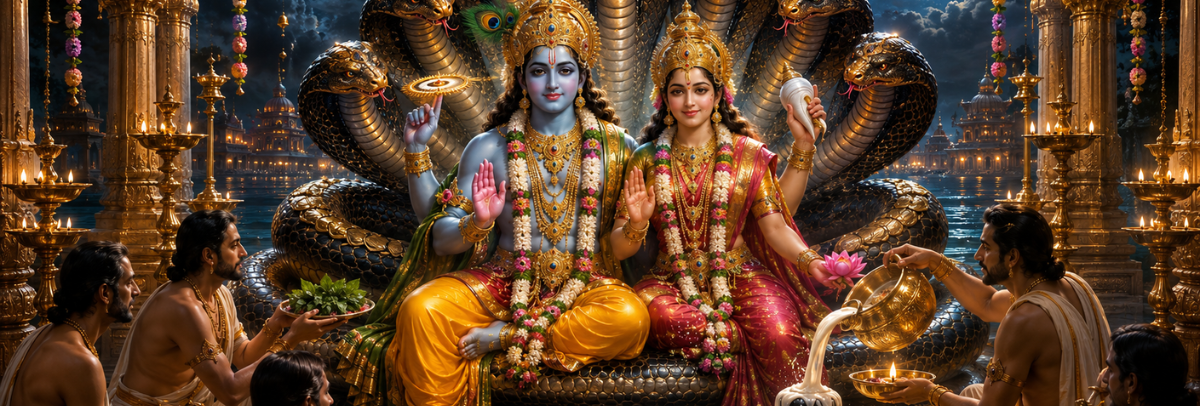
Set up an altar with images or idols of Goddess Lakshmi and Lord Vishnu. Light a ghee diya, then offer flowers, akshat and sweets. Pray for peace and the well-being of the household, and perform the aarti and prayers your family follows. This Lakshmi Puja is closely tied to Kojagara Puja, because of the belief that Lakshmi blesses those who stay awake in devotion.


Chandra Arghya at Moonrise


After the moon rises, many devotees offer Arghya to Chandra Dev, the Moon God. Water mixed with milk and a few white flowers is offered with a prayer or Chandra mantra. In New Delhi, the reference point is the 5:00 PM moonrise, so adjust for your own city.


The Kheer Offering


This is the best-known custom of the night. Rice kheer is cooked with milk and sugar, then placed outdoors in the moonlight, loosely covered with a clean, fine mesh or muslin cloth to keep insects and dust away.


The belief behind it is that the moonlight on this night turns the kheer into amrit, a nectar-like prasad. That is a religious belief, not a scientific claim, and the kheer is not said to have proven healing properties. Customs also differ on how long it stays outside and when it is eaten. Some families leave it for a short while, others through the night, and there is no single required duration.
 

A practical note: milk-based dishes spoil quickly. Use a clean, covered container, and do not leave kheer unrefrigerated for long periods. A ritual does not ask you to compromise food safety.


Kojagara Puja and Night Vigil


Kojagara is traditionally explained as “Ko jagarti?”, meaning “Who is awake?” The belief is that Goddess Lakshmi moves across the earth on this night asking that question, and blesses those who are awake in prayer. Some devotees spend the hours singing bhajans or reciting sacred texts, while others pray quietly at home.


Sharad Purnima Vrat Katha: The Story of Two Sisters


The Vrat Katha is a traditional religious legend. It is not a factual account, and it is not an explanation of real causes of infant illness or loss.


A wealthy merchant had two daughters, and both kept the fast on every Purnima. The elder sister observed it with discipline. The younger sister, though, kept breaking her fast before it was complete.


Both were married. In the story, the younger sister’s newborn children did not survive, and she was left grieving. She went to a sage for answers. He told her that her fasts had been left unfinished and advised her to observe the Sharad Purnima fast sincerely and in full. She did so, and a child was born to her again.


But the baby fell ill. When the elder sister came and touched the child, it was revived, according to the legend. The younger sister saw this as the fruit of her sister’s long, steady devotion.

Over generations, the tale has come to stand for sincerity in keeping a vrat. It is not meant to make anyone fear an imperfect fast.


Sharad Purnima Significance: The Moon, Lakshmi and Krishna


Sharad Purnima significance rests on three strands of belief, each with its own devotional meaning.


The Moon and Its Sixteen Kalas


Tradition holds that the Sharad Purnima moon shines with all sixteen kalas, the sixteen phases that stand for completeness. Symbolically, it represents wholeness, abundance and renewal. This is a matter of devotional belief, and no special healing rays or lunar energy are claimed here as scientific fact.


Goddess Lakshmi and Kojagara Night


On Kojagara night, Lakshmi is believed to wander the world asking who is awake. That is why the night is tied to vigil, prayer and the hope of prosperity for the household.


Lord Krishna’s Maha-Raas


In the Braj region, the night is Raas Purnima. Devotees remember the Maha-Raas, the divine dance of Krishna with Radha and the Gopis under the autumn moon. Within Krishna traditions, it is understood as a picture of devotion and love for the divine, and temples there mark it with music and worship.


How Sharad Purnima Is Celebrated Across India


Observances vary, and no region does everything the same way.


  • North India: Household puja, kheer offerings and moon-related devotional customs.
  • Braj region: The Maha-Raas of Lord Krishna gives the night the name Raas Purnima.
  • Eastern India: Kojagari or Kojagara Purnima, linked to Goddess Lakshmi and the night vigil.


Fasting rules, the deity worshipped and the timing of the kheer offering all differ from place to place and family to family.


Sharad Purnima 2026 at a Glance


Detail

Information

Festival Date

Sunday, 25 October 2026

Purnima Tithi Begins

25 October, 11:55 AM

Purnima Tithi Ends

26 October, 9:41 AM

Moonrise Time

5:00 PM, 25 October

Kojagara Puja Nishita Time

11:40 PM – 12:31 AM

Main Observances

Lakshmi Puja, Chandra Arghya, kheer offering and night vigil


All timings are New Delhi timings. Check your local Panchang for your city.


A Night of Moonlight, Prayer and Tradition


Return to the rooftop. The moon is high now, the kheer sits under its thin cloth, and a lamp still burns in the puja corner. Some in the house are singing, some are quiet, and some have fallen asleep despite their best intentions.


Sharad Purnima 2026 will be kept in many different ways: as a night for Lakshmi, for the Moon God, for Krishna’s Maha-Raas, or simply for a family gathered in one place. What the observances share is the habit of pausing for a night to look up, pray and stay together.


Frequently Asked Questions


Q1. When is Sharad Purnima in 2026?
Sharad Purnima falls on Sunday, 25 October 2026. The Purnima Tithi runs from 11:55 AM on 25 October to 9:41 AM on 26 October (New Delhi timings).


Q2. What is the Sharad Purnima moonrise time in 2026?
Moonrise in New Delhi is at 5:00 PM on 25 October. It differs by city, so check a local Panchang.


Q3. How is Sharad Purnima puja performed at home?
Set up an altar with Goddess Lakshmi and Lord Vishnu, light a ghee diya, and offer flowers, akshat and sweets. Perform the aarti, then offer Arghya to the Moon after moonrise. Practices vary by family.


Q4. Why is kheer kept under the moonlight on Sharad Purnima?
According to tradition, the moonlight on this night turns the kheer into amrit, a nectar-like prasad. It is a religious belief, and customs on timing differ. Keep the kheer covered and follow basic food-safety care.


Q5. What is the significance of Kojagara Puja?
Kojagara, from “Ko jagarti?” (“Who is awake?”), is the night vigil devoted to Goddess Lakshmi. Devotees believe she blesses those who stay awake in prayer.

You Might Also Be Interested In This