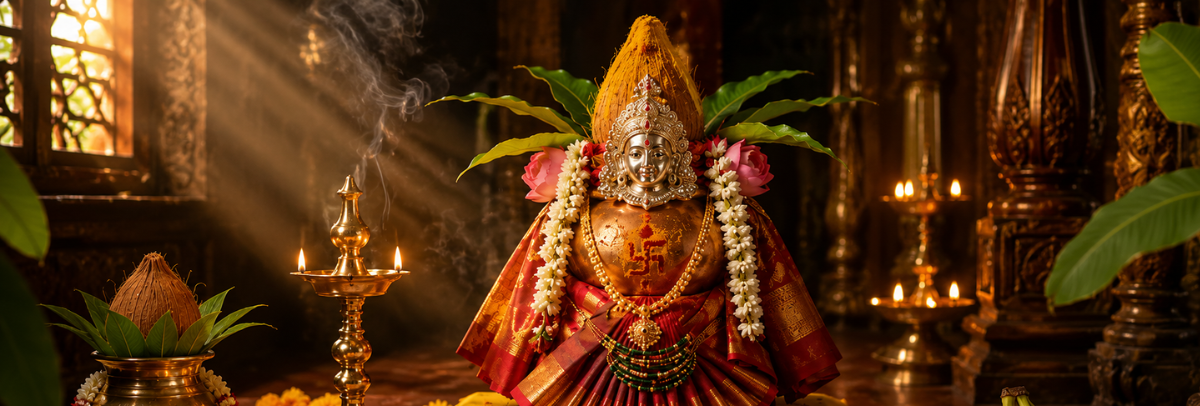
Sawan Shivratri 2026: Date, Puja Timings, Vrat Katha, Jalabhishek Muhurat & Significance

Dheeraj Khandelwal
calender July 24, 2026

Shravan changes the atmosphere around Shiva temples. Before dawn, devotees carrying kalash filled with holy water make their way towards temple gates. Somewhere close by, "Om Namah Shivaya" rises and falls, never quite stopping, and by the time the sun is properly up, the queue outside has already curled twice around the courtyard wall. Among the many sacred days of this month, Sawan 2026 is regarded as one of the most spiritually charged.


This year it falls on Tuesday, 11 August 2026. Priests in Varanasi have already started talking about it the way they talk about the big one in Phalgun, and that comparison tells you most of what you need to know.


What is Sawan Shivratri?


Shravan Shivratri sits on the Krishna Chaturdashi Tithi of the Shravan month, a night set aside entirely for Lord Shiva. Shravan is his month by tradition, tied to the churning of the cosmic ocean and to what he did to protect every world during that event. Mondays through Shravan bring their own crowds, but the Shivratri within it carries something heavier, treated by many as a smaller, monthly version of Maha Shivratri.


The Krishna Chaturdashi Tithi begins at 4:54 AM on 11 August and runs until 1:54 AM the following morning, nearly twenty-one hours in all. That matters more than it sounds. The worship window this year is unusually generous, wide enough that even someone who cannot reach a temple until late evening still has time to observe the vrat properly.


Sawan Shivratri 2026: Date & Puja Timings 


  Event Date Time
Sawan Shivratri Tuesday, 11 August 2026 Entire Day
Krishna Chaturdashi Tithi Begins 11 August 2026 4:54 AM
Krishna Chaturdashi Tithi Ends 12 August 2026 1:54 AM
Jalabhishek Muhurat 11–12 August 2026 4:54 AM – 1:52 AM
Nishita Kaal Puja Muhurat 12 August 2026 12:05 AM – 12:48 AM


What is the Story Behind Sawan Shivratri?


Ask a priest why Jalabhishek matters so much, and sooner or later he brings up the churning of the ocean.


Gods and demons, so the story goes, joined forces to churn the ocean of milk in search of amrita, the nectar of immortality. Mount Mandara became the churning rod, Vasuki the serpent became the rope, and year after year of churning brought up one treasure after another. Before the nectar itself surfaced, though, the ocean gave up something nobody wanted. Halahala. A poison so lethal its fumes alone threatened to unmake creation. Not one god among them, however mighty, could bear its heat.


Shiva stepped forward anyway. He gathered the poison without ceremony and drank it. Parvati, watching this happen, is said to have pressed her hands against his throat, holding the poison there so it would go no further. His throat turned a deep, permanent blue, and that is the moment he came to be called Neelkanth, the one with the blue throat, a name still invoked constantly through Shravan.


Grateful, and more than a little shaken, the gods and sages offered him the coolest thing they had: water from the Ganga, poured over his head to soothe the burn. That single act is why Jalabhishek exists as a ritual at all. Every kalash tipped over a Shivling this Sawan Shivratri is, in a small way, that same gesture repeated.


What is the Significance of Sawan Shivratri?


Why fast on this particular day? Ask ten devotees and you will get slightly different answers, but most circle back to one idea: the fast is less about deprivation than about clearing space before the real worship starts at night. Some keep a strict Nirjala fast, others break it with fruit and milk through the day, and both are accepted without argument.


Jalabhishek sits at the centre of everything. This year the window runs from 4:54 AM on 11 August through to 1:52 AM on 12 August, so there is no need to rush it into a narrow slot. Priests describe an almost continuous procession through these hours: kalash after kalash tipped slowly over the Shivling, the fragrance of Belpatra and incense settling thick into the courtyard, chanting that rarely fully stops.


Midnight brings Nishita Kaal, timed this year between 12:05 AM and 12:48 AM on 12 August. Tradition holds that Shiva is closest at this exact hour, when the world outside has gone quiet and the line between human and divine feels thinner than at any other point in the day. Temples that have gone still by ten or eleven suddenly fill again for less than an hour, then empty out just as quickly.


Worship through the night unfolds across four watches, the Char Prahar Puja: 7:04 PM to 9:45 PM, then through to 12:26 AM, then to 3:07 AM, then a final stretch from 3:07 AM to 5:49 AM as the sky starts to lighten. Each Prahar brings fresh offerings rather than one long continuous puja, part of why the night feels less exhausting than it sounds on paper.


Families back home are usually up preparing satvik meals for whoever is fasting. Temple bells carry through the evening during Shiva Aarti, and despite the monsoon, the queues outside major temples do not seem to thin.


For quite a few devotees, Shravan is also when travel plans start forming, towards Kashi Vishwanath, Kedarnath, Mahakaleshwar or Omkareshwar, Somnath, or Baidyanath Jyotirlinga, or towards the special prayers held there even from a distance. Each carries its own local legend, yet on this one night, all are bound by the same act: water, poured slowly, chanted over, at more or less the same hour across the country.


Char Prahar Puja Timings 


Prahar Time
First Prahar 7:04 PM – 9:45 PM
Second Prahar 9:45 PM – 12:26 AM
Third Prahar 12:26 AM – 3:07 AM
Fourth Prahar 3:07 AM – 5:49 AM


Puja Vidhi


The Shivratri Vrat usually opens with an early bath, ideally before sunrise, followed by a Sankalp, a quiet resolve to keep the day with sincerity. The altar, or the household Shivling, gets cleaned first, and only then does Jalabhishek begin, water poured slowly while the chant continues underneath it.


Offerings follow one after another: milk, then curd, then honey and ghee as part of the Panchamrit abhishek, followed by Belpatra, white flowers, Datura and Bilva leaves around the base. Rudraksha beads are often worn or offered directly. "Om Namah Shivaya" continues throughout, sometimes for hours, alone or in a group.


As evening arrives, many households read the Shivratri Vrat Katha aloud, believed to deepen whatever the fast has already set in motion. The Shiva Aarti follows soon after, and as midnight edges closer, attention shifts almost entirely towards Nishita Kaal and the Char Prahar worship carrying the night through to dawn.


Puja Samagri for Sawan Shivratri 


Offering Purpose
Holy Water (Jal) For Jalabhishek of the Shivling
Milk For Sacred Abhishek
Curd For Panchamrit Abhishek
Honey For Panchamrit Abhishek
Ghee For Panchamrit Abhishek
Belpatra (Bilva Leaves) Sacred offering to Lord Shiva
White Flowers Devotional offering during worship
Datura Traditional offering to Lord Shiva
Rudraksha Worn or offered during Shiva Puja


Important Temples for Sawan Shivratri 


Temple Importance During Sawan Shivratri
Kashi Vishwanath Temple One of the most revered Shiva temples, attracting millions of devotees for Jalabhishek and special Sawan Shivratri rituals.
Kedarnath Temple A sacred Jyotirlinga in the Himalayas, visited by pilgrims seeking Lord Shiva's blessings during Shravan.
Mahakaleshwar Temple Renowned for its Bhasma Aarti and grand Sawan Shivratri celebrations in Ujjain.
Somnath Temple Revered as the first of the twelve Jyotirlingas and a major pilgrimage destination during Shravan.
Baidyanath Jyotirlinga (Deoghar) One of the busiest Shiva pilgrimage sites during the Shravan month, especially for Kanwar Yatra devotees.


Final Thoughts


Sawan Shivratri is not just a date that you mark on the calendar. It’s that one night where everything slows down, and people just focus on their faith. The whole point is just being sincere, and that’s where that sense of calm comes from. As everyone comes together on Tuesday, August 11, 2026, the day is just a quiet reminder of the presence and patience of Mahadev. It’s a good time to pause, reset, and find a little extra strength and positivity for the months ahead. Har Har Mahadev! 


Frequently Asked Questions


Q1. When is Sawan Shivratri 2026 observed? 


Ans: Tuesday, 11 August 2026, with the Krishna Chaturdashi Tithi running from 4:54 AM that morning until 1:54 AM the next day.


Q2. What is the best Jalabhishek Muhurat for Sawan Shivratri? 


Ans: Technically, any time between 4:54 AM on 11 August and 1:52 AM on 12 August works. If you can manage only one window, most priests point towards Nishita Kaal, 12:05 AM to 12:48 AM.


Q3. Why is Shravan Shivratri considered so important? 


Ans: It falls inside Shiva's own month, tied to what he is believed to have done during the Samudra Manthan, drinking the Halahala poison to protect everything else.


Q4. Can devotees observe Shivratri Vrat with fruits and milk instead of a Nirjala fast? 


Ans: Yes, and this is common. A strict waterless fast is one path, but fasting on fruit, milk, or any satvik food is treated as equally valid.


Q5. Which Jyotirlinga temples are especially significant during Sawan Shivratri? 


Ans: Kashi Vishwanath tends to draw the largest crowds, but Kedarnath, Mahakaleshwar, Somnath, and Baidyanath Jyotirlinga all see their own surge of devotees.


You Might Also Be Interested In This