Saryu Ghat Ayodhya Aarti Timing Snan Rituals and Spiritual Significance

Dheeraj
calender January 12, 2026

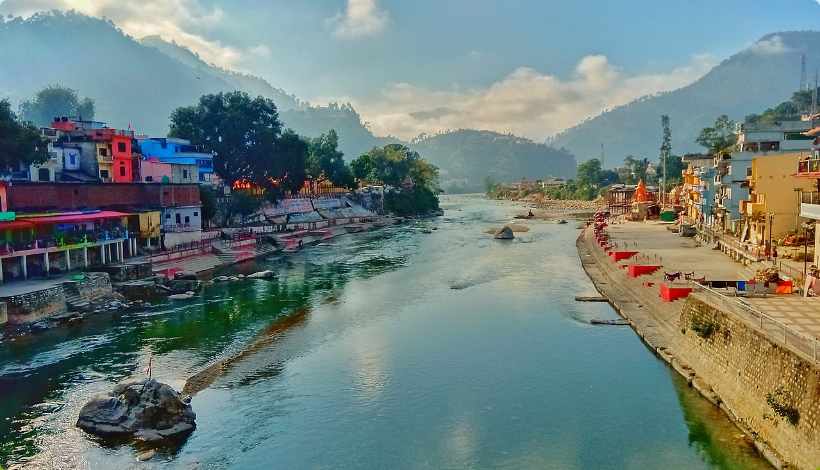
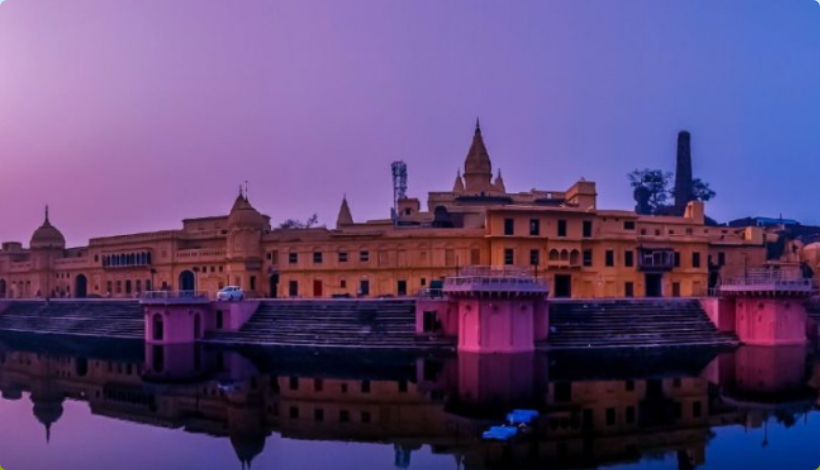
Ever stood by a ghat that's been sacred for thousands of years? Saryu Ghat, Ayodhya, hits differently from any other riverfront you'll visit. This isn't the Ganges everyone talks about, but locals consider Saryu ghat Ayodhya equally holy. Maybe even more personal somehow. The ghats stretch along the riverbank, and what happens here daily, especially during Saryu aarti timing, creates this atmosphere that's impossible to fake.
 

Why Saryu ghat Matters So Much

Saryu Ghat in Ayodhya holds massive religious importance. According to Hindu texts, this ghat witnessed everything. Rama's childhood, his coronation, and his entire life unfolded along these banks. The ghat literally flows through Ramayana's most important moments. That's not just symbolic. People genuinely believe every drop carries blessings.
 

Historical and religious significance:
 

  • Mentioned extensively in Ramayana and ancient texts
  • Rama took jal samadhi (water burial) here at Guptar Ghat
  • Considered one of seven sacred ghat in Hinduism
  • Bathing here supposedly washes away sins
  • Flows from Himalayas through Uttarakhand and UP
     

Here's what makes it personal, though. Unlike the Ganges that's become this massive pilgrimage industry, Saryu feels more intimate. Less commercial somehow. You can actually sit by the water without vendors constantly bothering you. The energy stays contemplative rather than chaotic.
 

The ghat itself isn't huge. During summer it gets pretty shallow. Monsoons swell it up considerably. But size doesn't matter here. What matters is the connection devotees feel. Watching elderly people step gingerly into the water, tears streaming down faces, you realize this transcends tourism.
 

The Ghat Experience Throughout Day

Saryu Ghat Ayodhya transforms completely depending on when you visit. Mornings have this quiet, almost meditative quality. Mist rises off the water. Birds start making noise. Early risers come for Saryu snan before the city wakes up fully.
 

Morning scene includes:
 

  • Devotees arriving before sunrise for holy bath
  • Priests performing private pujas for families
  • Yoga practitioners doing stretches on ghat steps
  • Chai sellers setting up their small stalls
  • Relatively empty and peaceful atmosphere
     

Afternoons slow down considerably. Heat drives most people away. Only the really dedicated stick around. Some sadhus meditate under trees. Occasional tourists wander through taking photos. The ghats almost feel abandoned compared to morning and evening rush.
 

But evenings? That's when Saryu Ghat Ayodhya truly comes alive. As the sun starts setting, people begin gathering. Families arrive. Priests prepare for the big aarti. Oil lamps get arranged. The entire atmosphere shifts from calm to anticipatory energy.


Saryu Aarti: The Main Attraction

Evening Saryu aarti timing usually starts around sunset, roughly 6-7 PM. Exact time shifts with seasons obviously. Summer means later start. Winter pushes it earlier. But that golden hour when sun dips toward horizon is when magic happens.
 

What the aarti involves:
 

  • Multiple priests in traditional attire
  • Huge brass lamps with multiple wicks
  • Synchronized movements and chants
  • Conch shells blowing loudly
  • Bells ringing in rhythm
  • Flowers and diyas floated on ghat 
     

The coordination is honestly impressive. Priests move these massive multi-tiered lamps in perfect sync. Flames dance in the breeze. Smoke from incense creates this hazy atmosphere. Everyone on the ghat joins the chanting. Even if you don't know the words, the collective energy pulls you in.
 

Saryu aarti timing attracts the biggest crowds. Locals make it a daily ritual. Tourists add to the numbers. During festivals, forget finding space to even stand. People pack the steps from water's edge to the top. But somehow it never feels threatening or overwhelming. Just intensely communal.
 

After the main aarti concludes, people release small leaf boats carrying diyas onto Saryu Ghat, Ayodhya. Hundreds of tiny flames float downstream. Looks absolutely magical as darkness falls completely. Many folks stand watching until the last light disappears around the bend.


Taking the Holy Dip

Saryu snan holds serious religious importance for Hindus. Taking a bath here supposedly cleanses you spiritually. Sins get washed away. Bad karma reduces. Whatever spiritual baggage you're carrying lightens. That's the belief anyway, and millions swear by it.
 

Bathing guidelines and tips:
 

  • Early morning considered most auspicious time
  • Women typically bathe in sarees or full clothes
  • Men usually wear dhotis or shorts
  • Separate areas exist for men and women bathing
  • Changing rooms available at major ghats
  • Don't drink the water, obviously.
     

The water itself stays reasonably clean by Indian ghat standards. Not crystal clear or anything, but not disgusting either. Regular cleaning efforts by local authorities help. Still, if you've got sensitive skin or health concerns, maybe skip the full immersion. Symbolic ankle-deep wading works too.
 

Watching people during Saryu snan reveals so much devotion. Some take quick dips. Others spend time doing elaborate rituals. Pouring water over themselves repeatedly while chanting. Offering flowers to the ghat. The sincerity is unmistakable. Nobody's putting on a show. This is genuine spiritual practice.
 

Different Ghats Along Saryu

Saryu Ghat Ayodhya isn't just one location. Multiple ghats line the riverbank, each with slightly different character and purpose. Some are more developed with proper steps and facilities. Others stay relatively basic.
 

Notable ghats include:
 

  • Guptar Ghat (where Rama took jal samadhi)
  • Ram Ghat (main ghat for ceremonies)
  • Laxman Ghat (dedicated to Rama's brother)
  • Janki Ghat (named after Sita)
  • Various smaller unnamed ghats
     

Ram Ghat sees the most activity. This is where the main evening aarti happens. Best facilities exist here. Most shops and vendors cluster around it. If you're visiting Saryu ghat Ayodhya for the first time, start here.
 

Guptar Ghat carries special emotional weight. This is supposedly where Lord Rama walked into the ghat and attained moksha. The atmosphere there stays more somber, reflective. People come here for ancestor rituals and offering prayers for the deceased.


Practical Information for Visitors

Getting to Saryu Ghat Ayodhya takes minimal effort. Most temples and hotels in Ayodhya sit within 1-3 km of the riverfront. Auto-rickshaws know all the major ghats. Walking from Ram Janmabhoomi to Ram Ghat takes maybe 20 minutes through city lanes.
 

Visitor facilities:
 

  • Clean changing rooms at main ghats
  • Shoe storage near steps
  • Small shops selling puja materials
  • Basic food stalls and chai vendors
  • Sitting areas along the ghat edge
  • Lighting for evening safety
     

Dress modestly always. This is a religious site first, tourist spot second. Men should wear full pants or dhotis. Women should stick to sarees, salwar kameez, or long skirts. Revealing clothes attract unwanted attention and disrespect the sacred nature.
 

Best time for Saryu aarti timing is arriving 30 minutes early. Grab a decent spot on the steps. Watch the preparation. See how priests arrange everything. The buildup is part of the experience. Rushing in last minute means standing in the back seeing nothing.
 

Photography is generally allowed. Just be respectful. Don't shove cameras in people's faces during prayer. Flash photography during aarti can be annoying for others. Capture the atmosphere without disrupting it. Most visitors appreciate this basic courtesy.
 

Combining Saryu snan with temple visits makes perfect sense. Traditional sequence is bathing in the ghat first, then visiting temples. The logic is you purify yourself before approaching deities. Whether you follow this or not, scheduling-wise it works since ghats are busiest early morning anyway.
 

The Emotional Impact

Something about Saryu ghat Ayodhya gets to people. Seen grown men cry standing knee-deep in water. Watched elderly women's faces transform during aarti. There's this raw emotional vulnerability that surfaces here. Maybe it's the setting. Maybe it's accumulated faith of millennia. Maybe it's just powerful group psychology.
 

Common experiences reported:

  • Unexpected emotional releases during prayers
  • Feeling connected to ancestors and history
  • Sense of peace and contentment
  • Physical sensations of lightness after bathing
  • Deep satisfaction from participating in aarti
     

Whatever your personal beliefs, witnessing devotion at the Saryu Ghat Ayodhya tour package says something about human faith. These aren't mindless rituals. People bring their pain, hopes, fears, and gratitude. They pour everything into these moments by the ghat. That authenticity creates an atmosphere you can't manufacture or fake.


FAQs 


Q1: What's the exact Saryu aarti timing at Ram Ghat?
Ans: Evening aarti typically happens around sunset, between 6-7 PM depending on the season. Summer months push it toward 7 PM. Winter brings it earlier, around 6 PM. Arrive 30 minutes early for good viewing spots. Morning aarti happens around 6 AM but attracts smaller crowds than evening.
 

Q2: Is taking Saryu snan safe and hygienic?
Ans: The water stays reasonably clean by Indian ghat standards, though not pristine. Regular cleaning efforts help maintain acceptable conditions. If you have sensitive skin or health concerns, consider symbolic ankle-deep wading instead of full immersion. Most people bathe without issues following basic precautions.
 

Q3: Which ghat is best for experiencing the Saryu ghat in Ayodhya?
Ans: Ram Ghat offers the most complete experience with the main evening aarti, the best facilities, and the most activity. Guptar Ghat carries special spiritual significance as Rama's jal samadhi spot. For first-timers, Ram Ghat works best. Return visits can explore other quieter ghats for different atmospheres.
 

Q4: Can tourists participate in the aarti or just watch?
Ans: Everyone can participate regardless of religion or nationality. Join the chanting even if you don't know words. Buy small diyas and float them on the Saryu ghat in Ayodhya after aarti. The experience becomes richer through participation rather than just observation. Priests and locals welcome respectful involvement.
 

Q5: What should I bring for Saryu Ghat Ayodhya visit?
Ans: Bring modest clothing for bathing if planning Saryu snan. Small towel and dry clothes help. Cash for small purchases since most vendors don't take cards. Camera for photos. Avoid bringing valuables or large bags. Evening visits need nothing special, just arrive comfortable and ready to sit on stone steps.

Q6. Is Saryu Ghat Aarti included in the Special Darshan package?
Ans: 
With the Special Darshan package, you can add a visit to Ram Ki Paidi at an additional cost to experience the Saryu Ghat Aarti. Devotees may watch the Aarti in the standard option, while performing the Aarti with a priest is available at an extra cost, fully arranged by Ayodhyatra.

You Might Also Be Interested In This