Hanuman Garhi Ayodhya Temple History, Darshan and Beliefs

Dheeraj
calender January 6, 2026

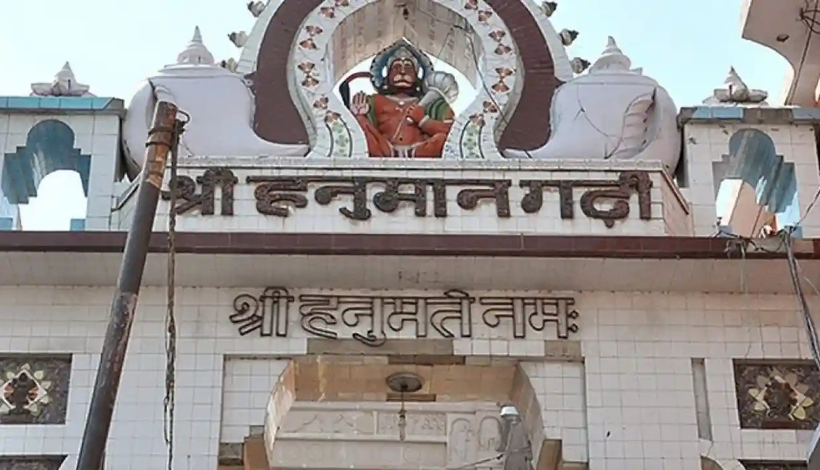
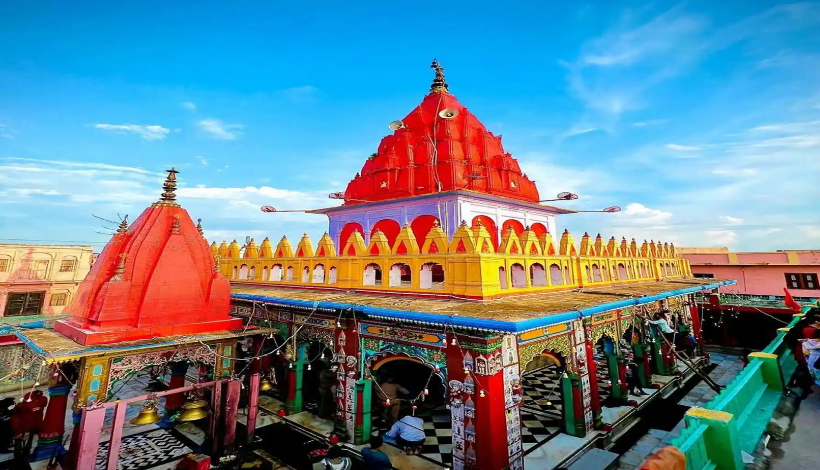
Spot that fortress-looking structure towering over Ayodhya? That's Hanuman Garhi Ayodhya, and calling it just a temple doesn't do it justice. Built on a hill like an actual military fort, this place has stories that'll blow your mind. The Hanuman Garhi temple pulls in millions every year, and trust me, there's solid reasons why devotees swear by its power.
 

How This Fortress Temple Came to Be

Hanuman Garhi history stretches back to around the 10th century, maybe even earlier. The name gives away its unique character. "Garhi" literally translates to fortress. Look at it from any angle and you'll see why. Elevated position, defensive walls, battlements. This wasn't built to just look cool.
 

Key historical points:
 

  • Most historians credit its construction to the Nawab period
  • Got rebuilt and expanded countless times across centuries
  • Survived through invasions when other structures fell
  • Played a role in Ayodhya's resistance against Mughal armies
  • Ramanandi ascetics have managed it for generations
     

Now here's the fascinating part. Local belief says Hanuman actually lived in a cave right here, standing guard over Ayodhya and Ram Janmabhoomi. That cave supposedly exists beneath the main temple building. Devotees genuinely believe Hanumanji still protects the city from his spot at Hanuman Garhi Ayodhya.
 

The architecture mixes styles in unexpected ways. Outer fortress walls show clear Islamic influence. But walk through the entrance and boom, everything shifts to traditional Hindu temple design. This happened because rebuilding occurred during Nawab times, yet the Hindu religious core stayed completely intact.


Those Famous 76 Steps

Reaching Hanuman Garhi temple means tackling 76 steps. And these aren't your average staircases either. Every single step supposedly represents something spiritual. Some folks say these 76 steps mirror different stages of devotion on your journey toward the divine.
 

What the climb involves:
 

  • Pretty steep stairs needing decent fitness
  • Handrails installed for older visitors, thankfully.
  • Vendors selling prasad and flowers all along the way
  • You'll hear "Jai Shri Ram" chanted constantly while people climb
  • Takes maybe 10-15 minutes if you're not rushing
     

The view up top, though? Totally worth the leg workout. Most of Ayodhya spreads out below you. The Saryu River winds through the cityscape. Ram Janmabhoomi becomes visible from certain spots. No wonder this height worked as a military vantage point back in the day.
 

Peak times turn those stairs into a human traffic jam. Before 8 AM keeps things manageable. Evening aarti time? Forget about personal space. But that evening atmosphere with oil lamps flickering everywhere and bells clanging creates this indescribable energy that pulls you in.


Why Hanuman Garhi Darshan Hits Different

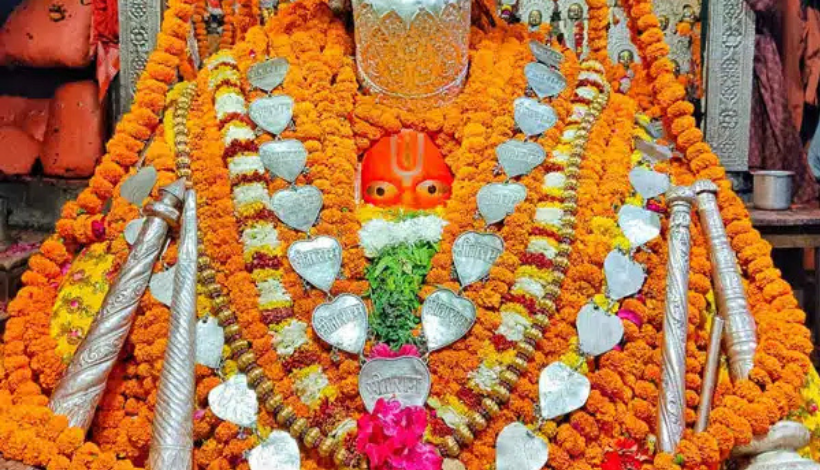
The main deity here isn't your typical Hanuman statue. Most temples show Hanuman solo, right? Not here. This one has Sita sitting on his lap. They call it "Bal Hanuman" or child Hanuman, showing him as Sita's devoted son. Pretty rare representation you won't find in many places.
 

Darshan highlights include:
 

  • Mother Anjani's idol sits right there in the sanctum too
  • Hanuman faces westward directly toward Ram Janmabhoomi
  • Hanuman Chalisa chanting never stops throughout the day
  • Traditional aarti happens twice daily without fail
  • Red threads and sindoor offerings pile up constantly
     

Hanuman Garhi darshan runs on specific schedules. Temple doors open around 5 AM for morning prayers. Stays open all day, shutting around 9 PM usually. Festival times though, especially Hanuman Jayanti and Tuesdays, these hours stretch way longer to fit everyone in.
 

Priests at Hanuman Garhi Ayodhya don't mess around with rituals. Morning aarti starts by bathing the deity, fresh clothes come next, then offerings of flowers, sweets, fruits. Evening aarti involves lighting tons of lamps while devotees belt out bhajans and ring every bell in sight. The whole atmosphere gets overwhelming in the best way possible.
 

Beliefs That Keep People Coming Back

There's this widespread conviction that wishes get granted faster here. Like, noticeably faster than other temples. Devotees firmly believe Hanumanji pays extra attention at Hanuman Garhi temple since he's actively protecting Ram Janmabhoomi from this exact spot. People show up with everything from health issues to job problems.
 

Popular beliefs around here:
 

  • Sindoor offerings bring Hanuman's blessings super quick
  • Red thread tying apparently solves marriage troubles
  • Tuesday visits carry special wish-granting powers
  • Feeding poor people increases your chances significantly
  • Chanting Hanuman Chalisa 11 times grants protection shields
     

The sindoor situation is actually wild here. Devotees slather so much sindoor on Hanuman's idol that the entire deity looks bright orange. We're talking mountains of the stuff accumulating daily. Temple folks distribute this blessed sindoor as prasad, and people smear it on their foreheads, believing it's like wearing Hanuman's personal protection.
 

Wrestlers and athletes make pilgrimages to Hanuman Garhi Ayodhya before big competitions. Makes sense since Hanuman embodies strength and victory. Sports folks offer coconuts and sweets, hoping for that competitive edge. You'll spot championship trophies and medals hanging near the sanctum as thank-you gifts after victories.


When Festivals Turn Everything Up

Hanuman Jayanti basically transforms the Hanuman Garhi temple into something else entirely. This festival celebrating Hanuman's birth draws the absolute biggest crowds. Lakhs of devotees converge here. The entire complex gets drowned in flowers, lights, and colorful banners everywhere you look.
 

Major celebration dates:
 

  • Hanuman Jayanti during Chaitra month full moon
  • Literally every Tuesday all year round
  • Ram Navami gets huge celebrations too
  • Diwali brings special prayer sessions
  • Kartik month Saturdays see extra devotees
     

Tuesdays carry extra weight here. That day belongs to Hanuman in the Hindu calendar. Hanuman Garhi darshan on Tuesdays sees crowds double or triple easily. Some devotees make it a weekly thing, never skipping a Tuesday no matter what. Temple provides bonus prasad and extends aarti duration these days.
 

Ram Navami brings this beautiful custom. A procession kicks off from Hanuman Garhi Ayodhya heading toward Ram Janmabhoomi. Represents Hanuman visiting Lord Rama. Thousands join carrying flags and belting out devotional songs loud enough to hear across the city.
 

Getting There and What to Expect

Finding Hanuman Garhi temple takes zero effort. It's smack in the main city area, walking distance from Ram Janmabhoomi. Every auto-rickshaw driver knows it. Most Ayodhya hotels sit within 2-3 km. You could literally walk from nearby accommodations.
 

What's available for visitors:
 

  • Shoe storage spots at the staircase bottom
  • Water stations scattered around
  • Bathrooms that actually stay clean
  • Wheelchair access unfortunately limited because stairs
  • Prasad counters where you buy offerings
     

Dress like you're going somewhere respectful. Not super strict like some temples, but decent clothes make sense. Men usually stick to full pants and shirts. Women go with sarees, salwar kameez, or long skirts. Shorts and sleeveless stuff look out of place at Hanuman Garhi, Ayodhya darshan package.
 

Photography rules stay pretty relaxed compared to Ram Janmabhoomi. Outer areas and courtyard? Snap away. Inside the main sanctum during aarti, though, cameras stay in pockets. Nobody appreciates flash photography messing up their prayers.
 

Prasad ranges from basic to fancy. Simple stuff includes coconuts, bananas, and basic sweets. Tons of people bring sindoor specifically for Hanuman. Marigold garlands stay consistently popular. Whatever you bring, priests do a quick puja before placing it near the deity.
 

The zone surrounding Hanuman Garhi temple developed quite a bit. Small eateries serve simple veg food. Shops hawk religious items, Hanuman books, and random souvenirs. This commercial buzz supports local families who've been serving pilgrims for multiple generations now.
 

Combining visits just makes practical sense. Most people hit Hanuman Garhi Ayodhya first before Ram Janmabhoomi. Some believe getting Hanuman's blessings first improves your Ram temple darshan. Whether that's actual truth or just tradition, enough devotees follow this pattern that it's become standard.
 

The spiritual energy at Hanuman Garhi spans a thousand years of accumulated devotion. Standing there means you're adding your prayers to centuries of faith. That collective belief creates something genuinely powerful, regardless of whether you're deeply religious or just culturally curious.


FAQs 
 

Q1: Why does the Hanuman Garhi temple look like a military fort?
Ans: "Garhi" literally means fortress, and it sits on an elevated hill for actual defensive reasons historically. This structure functioned as a legit protective outpost back in the day. According to local beliefs, Hanuman guards Ram Janmabhoomi from this exact strategic spot. The fortress design blends practical military needs with deep religious meaning.
 

Q2: What are Hanuman Garhi darshan timings normally?
Ans: Opens around 5 AM for morning aarti, typically closes by 9 PM. Festival days like Hanuman Jayanti or Tuesdays push these hours much later. Early morning between 5-8 AM means way fewer people. Evening aarti around 7 PM pulls maximum crowds but creates that special charged atmosphere.
 

Q3: Do stairs to Hanuman Garhi Ayodhya cause problems for elderly visitors?
Ans: Yeah, 76 steps lead up to the temple, unfortunately. Takes 10-15 minutes climbing at a normal pace. Handrails help older folks manage. Wheelchair accessibility basically doesn't exist because of these stairs. Anyone with reasonable fitness handles the climb fine, though.
 

Q4: What makes the Hanuman idol at Hanuman Garhi temple different?
Ans: The Main deity shows Hanuman with Sita sitting on his lap, the "Bal Hanuman" form depicting him as her devoted child. This particular representation stays pretty rare across temples. Plus the idol faces west straight toward Ram Janmabhoomi, symbolizing his eternal guard duty over the sacred site.
 

Q5: What offerings work best during Hanuman Garhi darshan?
Ans: Sindoor tops the list as the most popular offering by far. People also bring coconuts, bananas, various sweets, and marigold garlands. Red threads for tying and red cloth pieces show up constantly. Whatever you offer, priests perform a brief puja first. The prasad you get after darshan supposedly carries serious blessings.

You Might Also Be Interested In This