Sharad Navratri 2026 Date, Puja Vidhi And Importance

Dheeraj Khandelwal
calender October 8, 2026

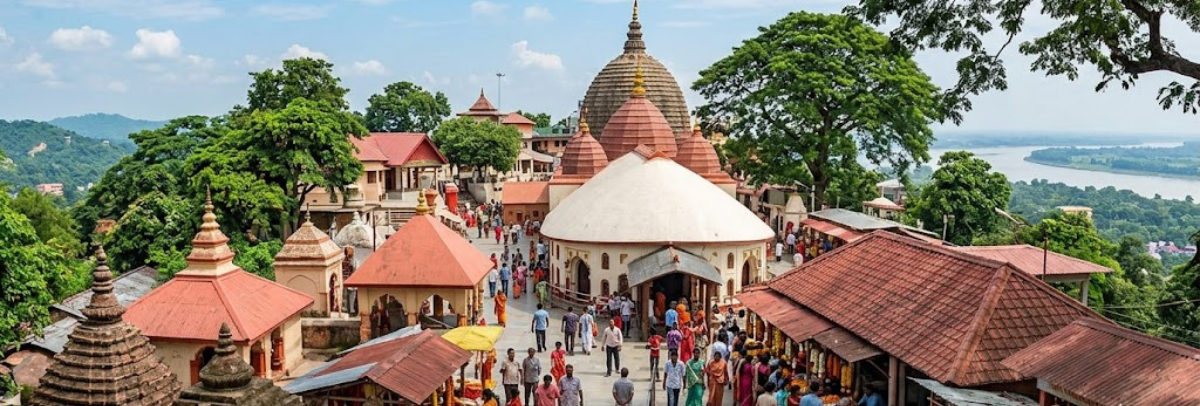
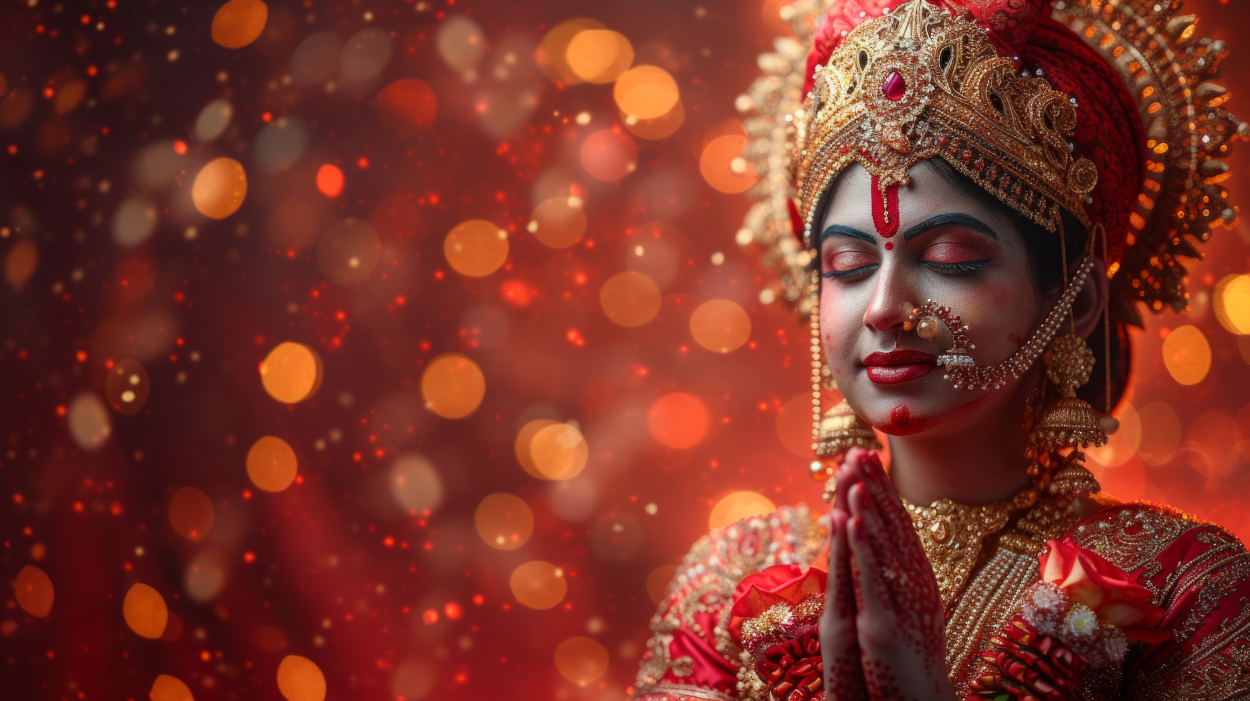
There’s a quiet kind of preparation in the house before the first day of Navratri. The puja corner is cleaned, a copper kalash is polished, and a shallow tray of soil set aside for the barley seeds. The first diya is lit on the morning of Ghatasthapana and marks the beginning of the nine nights of worship of Goddess Durga.


In 2026, Sharad Navratri starts on Sunday, 11 October. Maha Navami falls on Monday, 19 October, and Vijayadashami (Dussehra) follows on Tuesday, 20 October. This guide covers the Navratri 2026 dates, the Ghatasthapana muhurat, a day-wise calendar of the Navdurga, the puja vidhi, fasting, the mythology behind the festival and the different ways India celebrates it.


Navratri 2026 Date and Ghatasthapana Muhurat


Occasion Date
Sharad Navratri Begins Sunday, 11 October 2026
Ghatasthapana 11 October 2026
Durga Ashtami 18 October 2026
Maha Navami 19 October 2026
Vijayadashami / Dussehra Tuesday, 20 October 2026


The Ghatasthapana date is the first day of Navratri, 11 October. The main muhurat window runs from approximately 6:19 AM to 10:12 AM. If that slot is missed, the alternative is the Abhijit Muhurat, approximately 11:44 AM to 12:31 PM.


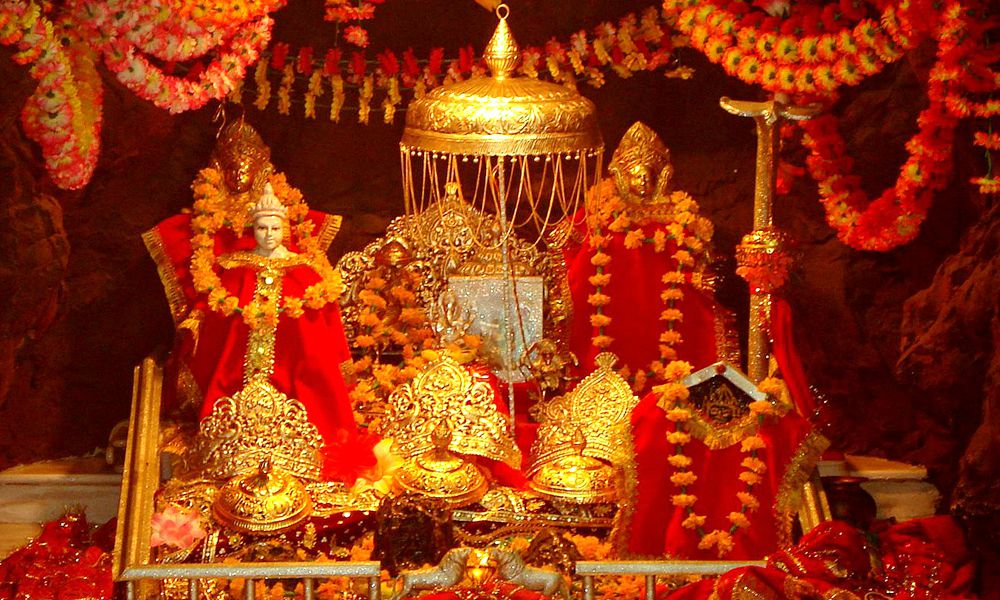
Ghatasthapana, also called Kalash Sthapana, is the ritual installation of a sacred pot that stands in for the Goddess for the duration of the festival. Many families treat it as the moment worship formally begins, which is why the Navratri muhurat gets so much attention on day one.


A practical note: these timings are approximate, and Panchang calculations shift with location. Check the local muhurat for your city, or ask your family priest, before you begin.


Navratri 2026 Day-Wise Calendar


Each of the nine nights is dedicated to one form of the Goddess, together known as the Navdurga. Many devotees also follow a colour for each day, usually in what they wear or in the decoration of the puja space. This is a cultural practice, and the colour lists you will see differ from one region and household to the next. The table follows the commonly shared 2026 sequence.


Day Date Goddess Colour
Day 1 11 October Maa Shailputri Orange
Day 2 12 October Maa Brahmacharini White
Day 3 13 October Maa Chandraghanta Red
Day 4 14 October Maa Kushmanda Royal Blue
Day 5 15 October Maa Skandamata Yellow
Day 6 16 October Maa Katyayani Green
Day 7 17 October Maa Kalaratri Grey
Day 8 18 October Maa Mahagauri Purple
Day 9 19 October Maa Siddhidatri Peacock Green
Day 10 20 October Vijayadashami / Dussehra —


Rather than a separate story for each goddess, it helps to see the sequence as a journey. Shailputri, the daughter of the mountains, opens it. Brahmacharini, associated with austerity, comes next. Chandraghanta and Kushmanda follow, then Skandamata, the mother of Kartikeya. Katyayani, the warrior form, arrives on the sixth day. Kalaratri, the fiercest, comes on the seventh, and Mahagauri, serene and radiant, on the eighth. Siddhidatri, the giver of fulfilment, closes the cycle on the ninth.

Navratri Puja Vidhi: Rituals to Follow at Home


Practices differ between families and regions, and what follows is a common outline rather than a fixed rulebook. If your household does things differently, that is entirely in keeping with the tradition.
 

  1. Ghatasthapana or Kalash Sthapana: The day begins with cleaning the puja area. A patch of earth is laid in a clean tray or on a raised platform, and barley seeds are sown in it. The kalash, usually copper or brass, is filled with water, and coins are dropped in. Mango leaves are arranged around its mouth, often with a coconut on top. Over the nine days the barley sprouts, and the green shoots become part of the altar. Many families see them as a sign of growth and abundance.
     
  2. Akhand Jyot: Some households keep a lamp of ghee or oil burning without a break through the nine days. The Akhand Jyot is usually tended by turns, with someone checking the oil and wick through the night. Devotees describe it as a symbol of constant devotion. Not every family keeps one, and a daily diya is just as common.
     
  3. Daily Navratri Puja: The daily routine is simple. The altar is cleaned, fresh flowers are offered, and a diya and incense are lit. Then comes the aarti and the mantra chanting. Om Dum Durgaye Namah is among the most widely used. Each day, devotees also remember the form of Durga assigned to that date, often with a small offering or a few lines of prayer.
     
  4. Kanya Pujan and Havan: On Ashtami or Navami, many families perform Kanya Pujan. Young girls are invited home, their feet are washed, and they are honoured as manifestations of the Goddess. They are served a meal of halwa, puri and chana, and sent off with small gifts. In many households, a Havan, a fire ritual with offerings and mantras, brings the worship to a close. Some families skip one or both, and that is a matter of family custom.
     

Navratri Fasting: What Do Devotees Eat?


Navratri fasting, or vrat, takes many forms. Some people eat once a day, some avoid grains, and some give up certain foods for all nine days. Others keep only the first and last days, or a few days in between.
 

Commonly eaten vrat foods include fruit, dairy, kuttu (buckwheat) flour and sendha namak (rock salt). Kuttu turns up as rotis and pakoras. Fruit and milk keep things light on the days when the diet is more restrictive.
 

Families and regions vary a great deal. Some follow a strict fast, while others follow a modified vrat diet. The choice is personal, and nobody should treat one way as the only correct one. If you have a health condition or are unsure about fasting, speak to your doctor first.
 

Why Is Navratri Celebrated? Significance and Mythology
 

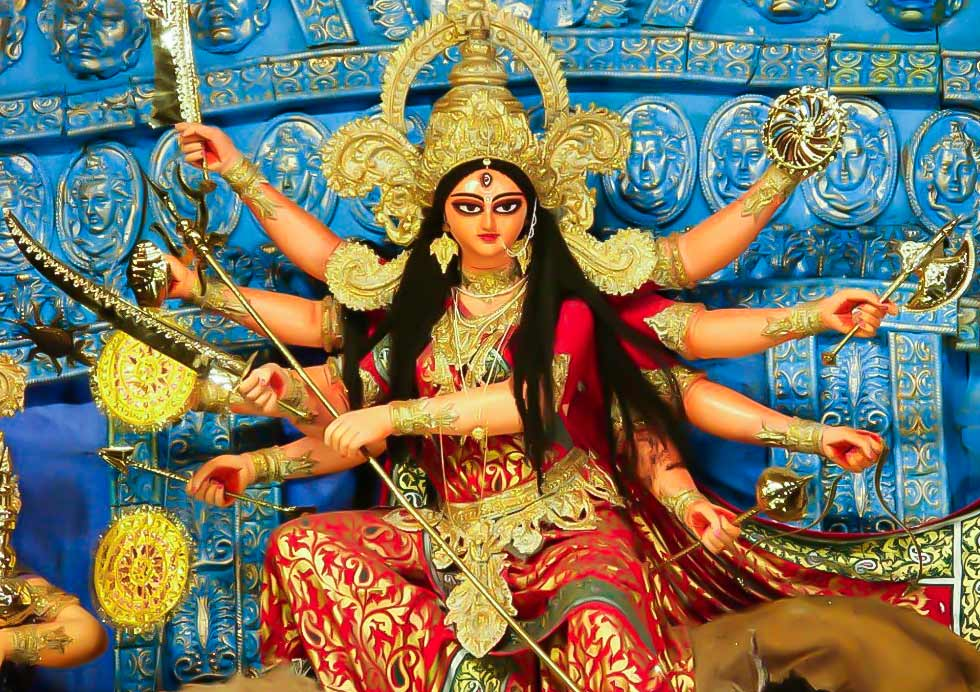
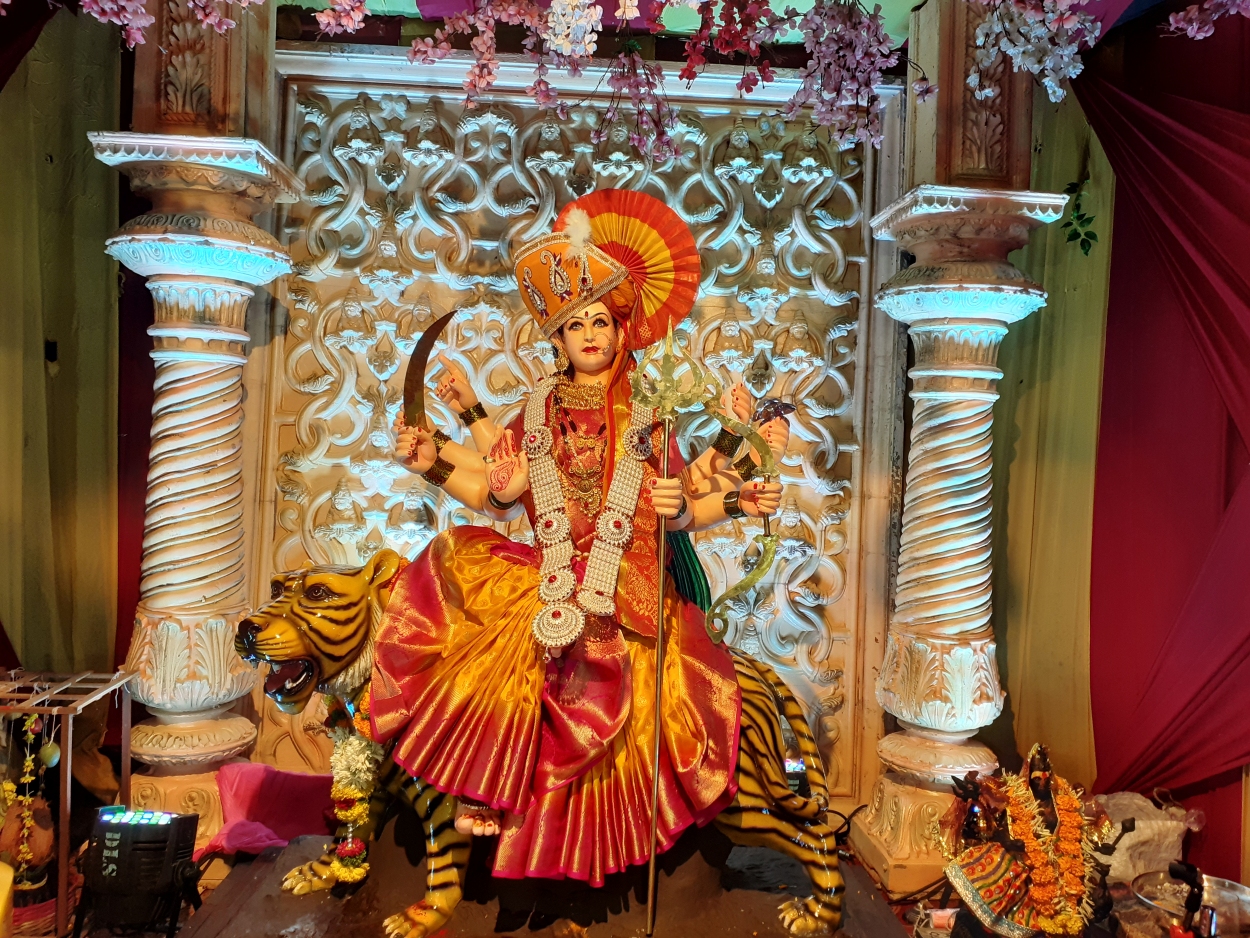
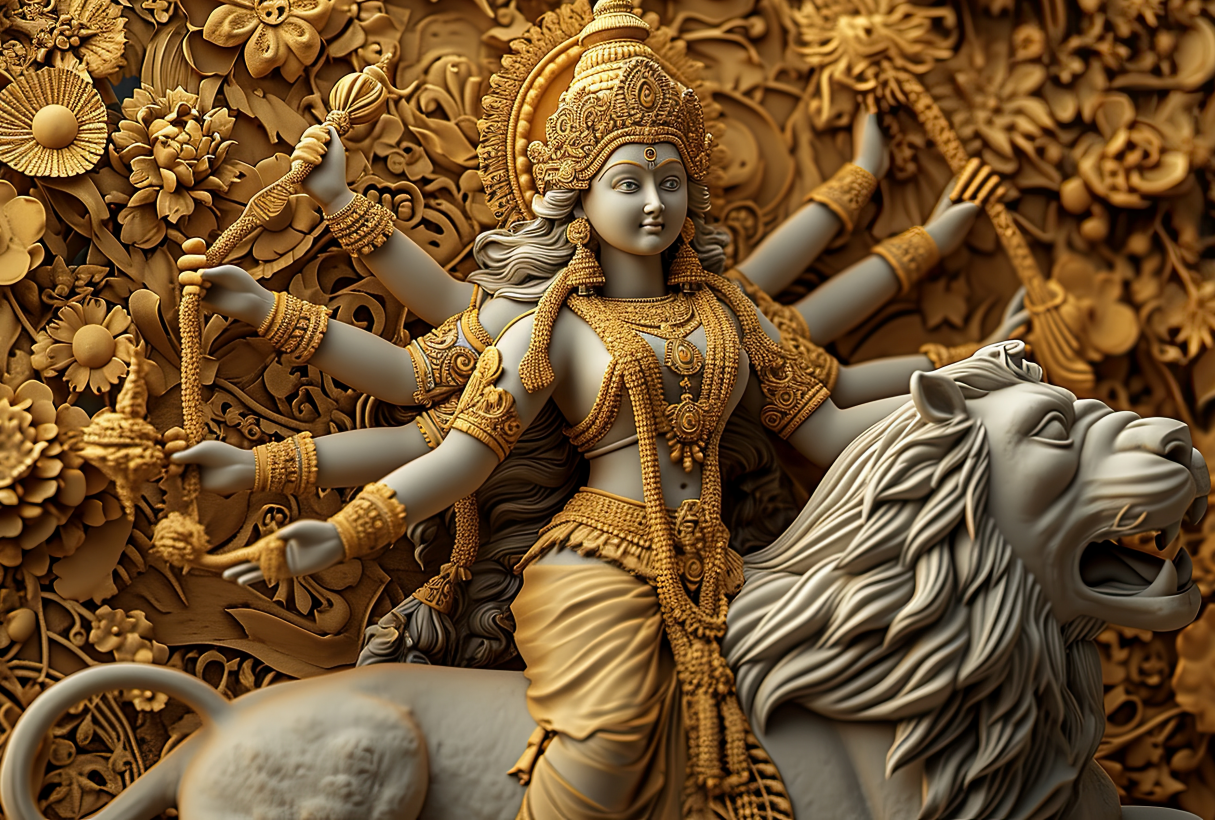
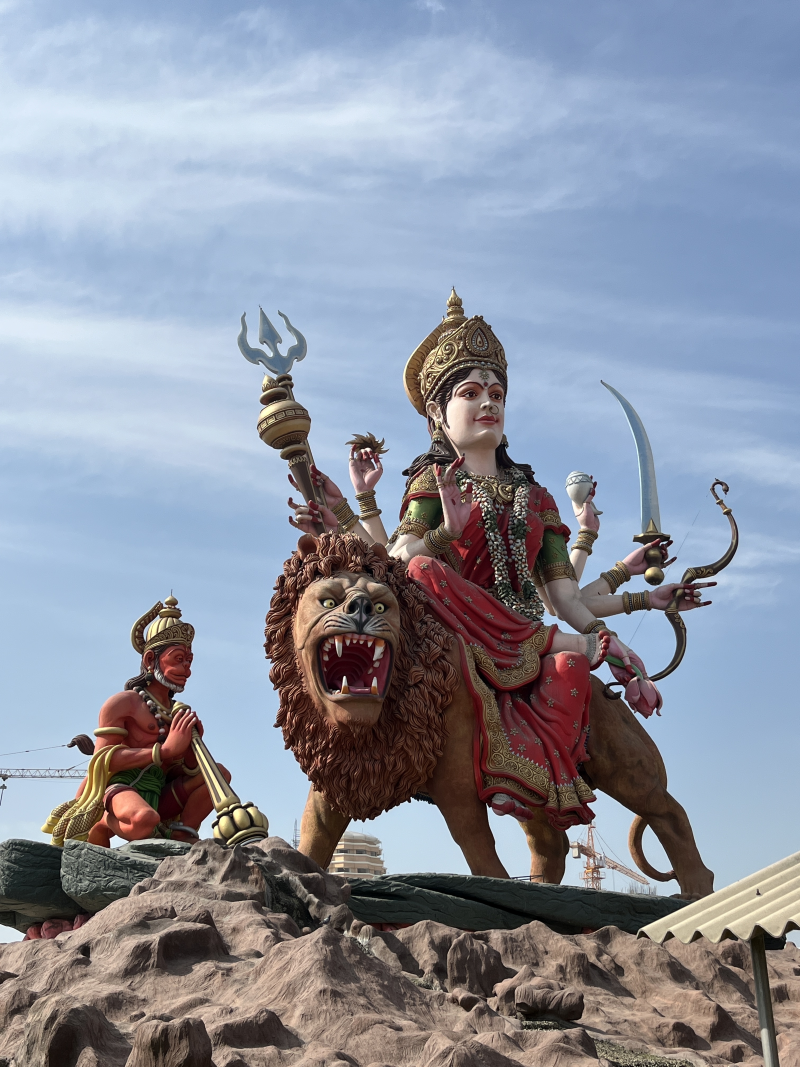
The story most often told is that of Goddess Durga and the buffalo demon Mahishasura. Mahishasura had gained a boon that made him nearly unbeatable, and he used it to terrorise the heavens and earth. The gods, unable to stop him, combined their energies, and from that radiance Durga took form. She is shown riding a lion, carrying weapons given by the gods. The battle lasted nine nights, and on the tenth day Mahishasura was defeated.
 

That is why Navratri significance is so often described as the victory of good over evil. Devotees also see in the story a celebration of Shakti, the divine feminine energy that sustains the world. And for many, the nine nights are a time for self-discipline, devotion and quiet reflection. These are religious and cultural beliefs, and they are meaningful to those who hold them.
 

How Navratri Is Celebrated Across India
 

The same nine nights look very different depending on where you are.


In Gujarat, evenings belong to Garba and Dandiya Raas. Communities gather in open grounds and halls, dancing in circles to live music and devotional songs, often late into the night.


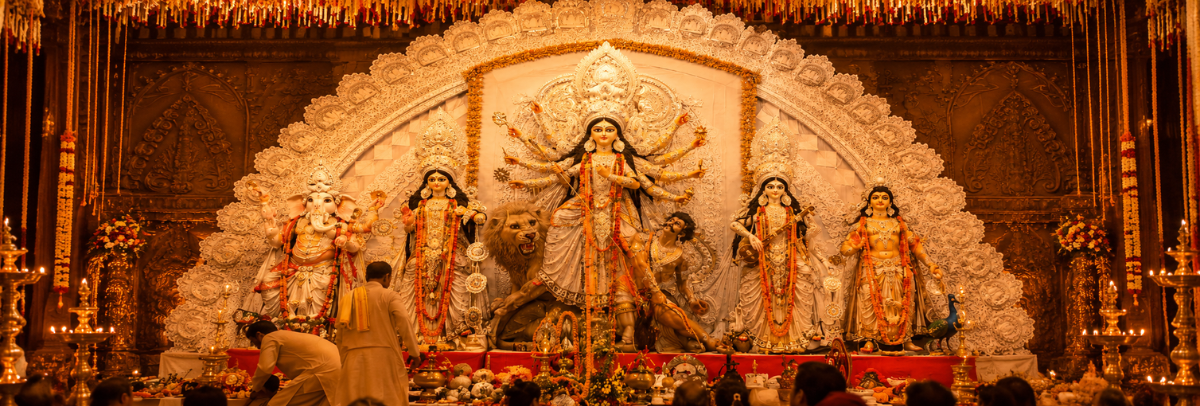
In West Bengal, the season centres on Durga Puja. Neighbourhoods build elaborate pandals, artisans craft towering idols, and the city streets fill with people going from one pandal to the next. Durga Puja and Sharad Navratri are closely connected, but they are not the same practice under two names. Each has its own rituals, calendar emphasis and customs.


In several parts of South India, homes set up Golu (or Bommai Kolu), an arrangement of dolls and figurines on tiers of steps. Families invite friends and neighbours to see them, and visitors are often given small gifts.


Navratri 2026 and Vijayadashami: What Happens After Nine Nights?


Vijayadashami, or Dussehra, comes on 20 October 2026 and marks the tenth day. What it commemorates depends on where you are. In many places, especially in the east, it marks Durga's victory over Mahishasura. In large parts of north and central India, it is tied to Lord Rama's victory over Ravana and is marked by processions, Ramlila performances and the burning of Ravana effigies. Both traditions share a theme of triumph and fresh beginnings, and neither cancels out the other.


Planning for Navratri 2026


With the festival just days away, a few things are worth sorting out now. Confirm your local Ghatasthapana muhurat, since the window can shift by city. Gather the puja items beforehand: the kalash, barley seeds, mango leaves, coins, flowers, ghee or oil and incense. Decide on your fasting approach, and if you plan Kanya Pujan on Ashtami (18 October) or Navami (19 October), send invitations early. If you want to see Garba nights or Durga Puja pandals, look up your local schedule. And for anyone travelling to a major temple town or festival city, book as early as possible, because transport and stays fill up fast.


Navratri 2026: A Festival of Worship, Community and Renewal


Navratri takes in a lot. There is the stillness of a home puja at dawn and the discipline of vrat. There is the noise and joy of a Garba ground, the scale of a Durga Puja pandal, and the closing symbolism of Vijayadashami. Navratri 2026 begins on 11 October, and whichever way your family observes it, the nine nights offer a chance to pause and gather people together.


FAQs


Q1. When is Navratri 2026?
Ans. Sharad Navratri 2026 begins on Sunday, 11 October, and runs until Maha Navami on 19 October. Vijayadashami follows on 20 October.
 

Q2. What is the Ghatasthapana date and muhurat in 2026?
Ans. Ghatasthapana is on 11 October 2026. The main muhurat is approximately 6:19 AM to 10:12 AM, with the Abhijit Muhurat at approximately 11:44 AM to 12:31 PM. Timings vary by location, so confirm locally.
 

Q3. What are the nine forms of Goddess Durga worshipped during Navratri?
Ans. The Navdurga are Shailputri, Brahmacharini, Chandraghanta, Kushmanda, Skandamata, Katyayani, Kalaratri, Mahagauri and Siddhidatri, worshipped in that order over the nine days.
 

Q4.What is the Navratri puja vidhi at home?
Ans. It typically starts with Ghatasthapana, followed by daily worship with flowers, a diya, incense, aarti and mantras, and sometimes an Akhand Jyot. Many families conclude with Kanya Pujan and Havan. Customs vary by family and region.
 

Q5.When are Durga Ashtami, Maha Navami and Dussehra in 2026?
Ans. Durga Ashtami is on 18 October, Maha Navami on 19 October and Dussehra (Vijayadashami) on 20 October 2026.

You Might Also Be Interested In This