Ambubachi Mela 2026: Dates, Rituals, and Cultural Significance

shilpatest
calender June 18, 2026

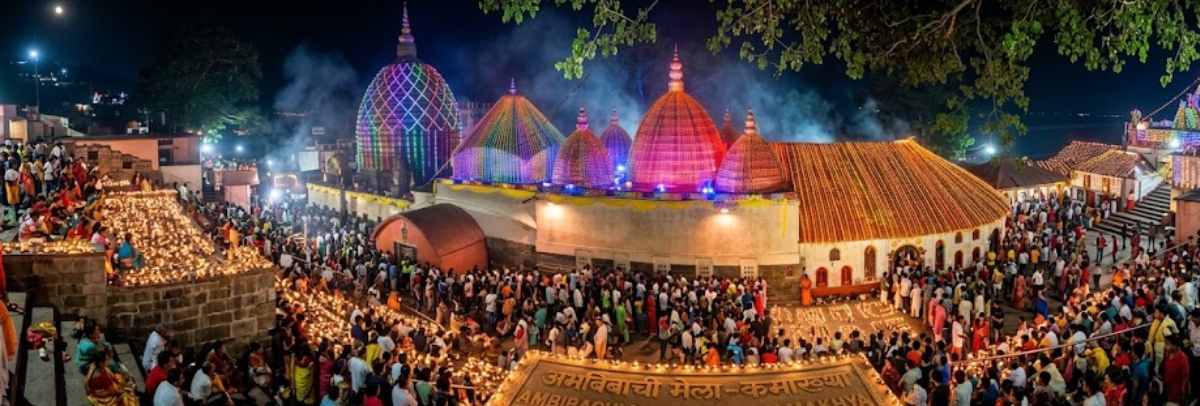
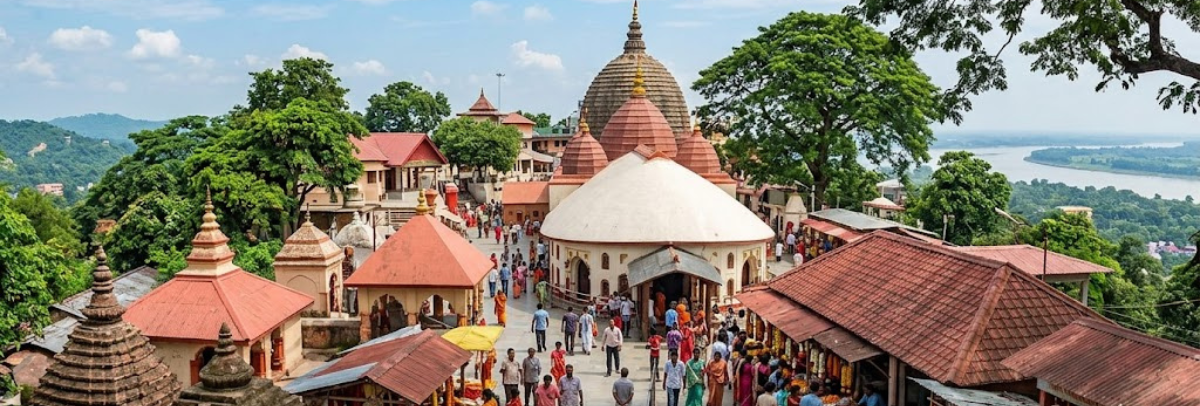
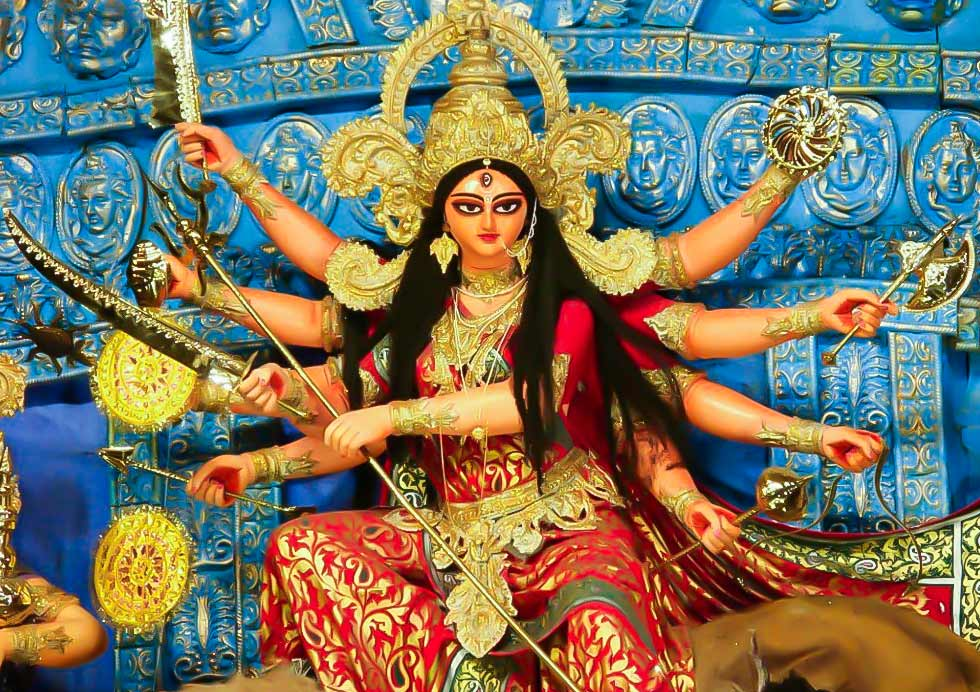
Every year, thousands of devotees, saints, spiritual seekers, and tourists gather at the sacred Kamakhya Temple in Guwahati to participate in Ambubachi Mela, one of India's most unique and spiritually significant festivals. Deeply rooted in Shakta and Tantric traditions, the festival celebrates the annual menstruation cycle of Goddess Kamakhya and symbolizes fertility, creation, and the regenerative power of nature.
 

Often referred to as the "Mahakumbh of the East," Ambubachi Mela is not only a religious gathering but also a cultural phenomenon that reflects the reverence for feminine energy in Hindu philosophy. The festival attracts lakhs of pilgrims from across India and abroad who come to seek blessings, witness sacred rituals, and experience the spiritual atmosphere surrounding the temple.
 

Ambubachi Mela 2026: Dates and Schedule


Ambubachi Mela falls every June, when the monsoon arrives — not a coincidence, since the festival is built around fertility and the land coming back to life after the dry season. For three days, Kamakhya Temple closes its doors. The goddess is menstruating, and unlike most traditions that treat that quietly, this one puts it front and center. The temple reopens on the fourth day with rituals that pull in the bigger crowds.


Ambubachi Mela 2026 Schedule


Event Date (Expected) Description
 Beginning of Ambubachi  22 June 2026  The sacred observance begins.
 Temple Closure  22 June 2026  The temple doors are closed to devotees.
 Sacred Observance Period  22–24 June 2026  Worship remains suspended inside the temple.
 Ritual Purification  25 June 2026  Priests perform purification ceremonies.
 Temple Reopening  25 June 2026  Public darshan resumes.
 Distribution of Sacred Prasad  25 June 2026 onwards  Angodak and Angabastra are distributed.


Note: Festival dates are subject to official confirmation by temple authorities and traditional astrological calculations.


What is Ambubachi Mela?


Kamakhya Temple is one of India's most important Shakti Peethas, and Ambubachi Mela is the festival built around it. Most Hindu festivals celebrate a god defeating a demon or mark a season changing. This one is about something else entirely: fertility, and the idea that womanhood itself is sacred ground.


Here's the belief at the center of it — Goddess Kamakhya menstruates during this period. So the temple closes. Three days, no entry, treated as a time of rest and seclusion for the goddess. On the fourth day, after purification rituals, the doors open again and devotees file in for blessings. Most traditions go quiet around menstruation. This one builds an entire festival on top of it.


Historical and Mythological Background


The significance of Ambubachi Mela is closely linked to the mythology of Goddess Sati and Lord Shiva. According to Hindu tradition, after Goddess Sati's self-immolation, Lord Shiva wandered across the universe carrying her body. To restore cosmic balance, Lord Vishnu used his Sudarshan Chakra to dismember Sati's body.


It is believed that the yoni (womb and reproductive organ) of Goddess Sati fell at the site of the present-day Kamakhya Temple. This made the temple one of the most sacred centers of Shakti worship and feminine divine energy.


Because the temple is associated with the creative power of the Goddess, the annual observance of her menstruation is celebrated as a sacred event that symbolizes fertility, abundance, and the continuity of life.


Major Rituals of Ambubachi Mela


Temple Closure


The most distinctive ritual of Ambubachi Mela is the closure of the temple for three days. During this period:


  • No public worship is allowed.
  • Regular temple activities are suspended.
  • Priests perform restricted rituals within the temple premises.
  • Devotees gather outside the temple to meditate and pray.


The closure signifies the annual menstrual period of Goddess Kamakhya.


Observance of Sacred Menstruation


The festival celebrates menstruation as a divine and natural process associated with fertility and creation. This perspective highlights the importance of feminine power and the life-giving capacity of women. The observance also symbolizes the fertility of Mother Earth during the onset of the monsoon season, a crucial period for agriculture.


Ritual Purification


After the three-day observance, temple priests perform elaborate purification rituals. The sanctum is ceremonially cleansed, and special prayers are offered to the Goddess.These rituals signify the completion of the sacred cycle and prepare the temple for reopening.


Temple Reopening Ceremony


The reopening of the temple is one of the most anticipated moments of the festival. Thousands of devotees line up to receive darshan and participate in special prayers.The atmosphere is filled with devotional chants, celebrations, and expressions of gratitude toward the Goddess.


Distribution of Sacred Prasad


Two sacred offerings hold special importance during Ambubachi Mela:


  • Angodak – Water sanctified during the festival.
  • Angavastra – A small piece of red cloth believed to carry the blessings of the Goddess.


Devotees preserve these sacred items as symbols of protection, prosperity, and spiritual blessings.


Cultural Significance of Ambubachi Mela: Ambubachi Mela is much more than a religious observance. It carries deep cultural and philosophical meanings that resonate with millions of people.


Celebration of Feminine Energy: The festival acknowledges and celebrates the creative power of women. It serves as a reminder that menstruation is a natural and essential process connected to life and fertility.


Connection with Nature: The observance coincides with the monsoon season, which is often associated with agricultural renewal. Just as the earth becomes fertile with rain, the festival symbolizes the regenerative forces of nature.


Preservation of Ancient Traditions: Ambubachi Mela preserves centuries-old customs, rituals, and Tantric practices that continue to form an important part of India's spiritual heritage.


Spiritual Transformation: For many devotees and seekers, the festival represents a time of introspection, renewal, and spiritual awakening. The gathering provides opportunities for prayer, meditation, and learning from spiritual masters.


Importance in Tantric Traditions


The Kamakhya Temple is widely regarded as one of the most important centers of Tantra in India. During Ambubachi Mela, numerous sadhus, ascetics, and Tantric practitioners visit the temple to perform spiritual disciplines and rituals.

Many believe that the spiritual energy of the temple reaches its peak during the festival, making it an auspicious time for meditation, worship, and the pursuit of higher knowledge. As a result, Ambubachi Mela attracts not only devotees but also scholars and researchers interested in understanding India's diverse spiritual traditions.


Major Attractions During Ambubachi Mela


Visitors to Ambubachi Mela can witness a wide range of religious and cultural activities, including:


  • Gatherings of saints, yogis, and ascetics.
  • Spiritual discourses and devotional singing.
  • Traditional rituals performed by temple priests.
  • Cultural programs and local performances.
  • Handicraft markets showcasing Assamese art and culture.
  • Community meals and charitable activities.


The festival creates a vibrant atmosphere where spirituality and culture come together in a remarkable way.


Travel Guide for Ambubachi Mela 2026


How to Reach


Category Details
Nearest Airport Lokpriya Gopinath Bordoloi International Airport
Nearest Railway Station Guwahati Railway Station
Local Transport Taxis, buses, auto-rickshaws, and app-based cab services


Accommodation Tips


Because lakhs of pilgrims visit during the festival, accommodations fill up quickly. Visitors should:


  • Book hotels several weeks in advance.
  • Consider guesthouses and dharamshalas near the temple.
  • Check transportation arrangements before arrival.


Visitor Guidelines


  • Wear modest and comfortable clothing.
  • Follow temple rules and local customs.
  • Carry water and essential supplies.
  • Expect long queues during temple reopening.
  • Follow security and crowd-management instructions.


Economic and Tourism Impact


Ambubachi Mela plays a vital role in promoting religious tourism in Assam. The influx of visitors benefits hotels, restaurants, transportation services, local artisans, and small businesses. The festival also provides a platform to showcase Assam's rich cultural heritage, traditional crafts, cuisine, and hospitality to a national and international audience.


Conclusion


Ambubachi Mela 2026 is a profound celebration of faith, fertility, and the Divine Feminine. Held at the revered Kamakhya Temple in Assam, the festival stands apart for its unique recognition of menstruation as a sacred symbol of creation and renewal. Through its rituals, traditions, and spiritual teachings, Ambubachi Mela continues to inspire millions while preserving an important aspect of India's religious and cultural heritage.


For devotees and travelers alike, the festival offers a rare opportunity to witness ancient traditions, experience deep spirituality, and participate in one of India's most extraordinary religious gatherings.


FAQs About Ambubachi Mela 2026


Q1. When is Ambubachi Mela 2026?

Ans: Ambubachi Mela 2026 is expected to be observed from 22 June to 25 June 2026, subject to official confirmation.


Q2. Why does the Kamakhya Temple remain closed during Ambubachi?

Ans: The temple remains closed because Goddess Kamakhya is believed to undergo her annual menstrual cycle during this period.


Q3. What is the significance of Angabastra?

Ans: Angabastra is a sacred red cloth distributed as prasad and is considered highly auspicious by devotees.


Q4. Can tourists attend Ambubachi Mela?

Ans: Yes. The festival welcomes pilgrims, tourists, researchers, and spiritual seekers from around the world.


Q5. Why is Ambubachi Mela important?

Ans: The festival celebrates fertility, feminine power, natural cycles, and the spiritual significance of creation in Hindu tradition.

You Might Also Be Interested In This