Nobody touches the water.
On Nirjala Ekadashi 2026, that simple act says everything. Unlike most Hindu fasts, this one leaves no room for compromise. Devotees voluntarily give up not just food but even water for an entire day, making it the most demanding of all twenty-four Ekadashis observed through the year. Its strictness, however, is matched by an equally remarkable belief. Hindu tradition says that anyone who sincerely observes this single fast earns the spiritual merit of all twenty-four Ekadashi vrats. For those unable to fast twice every month, it is seen as a once-a-year opportunity to fulfil that sacred discipline.
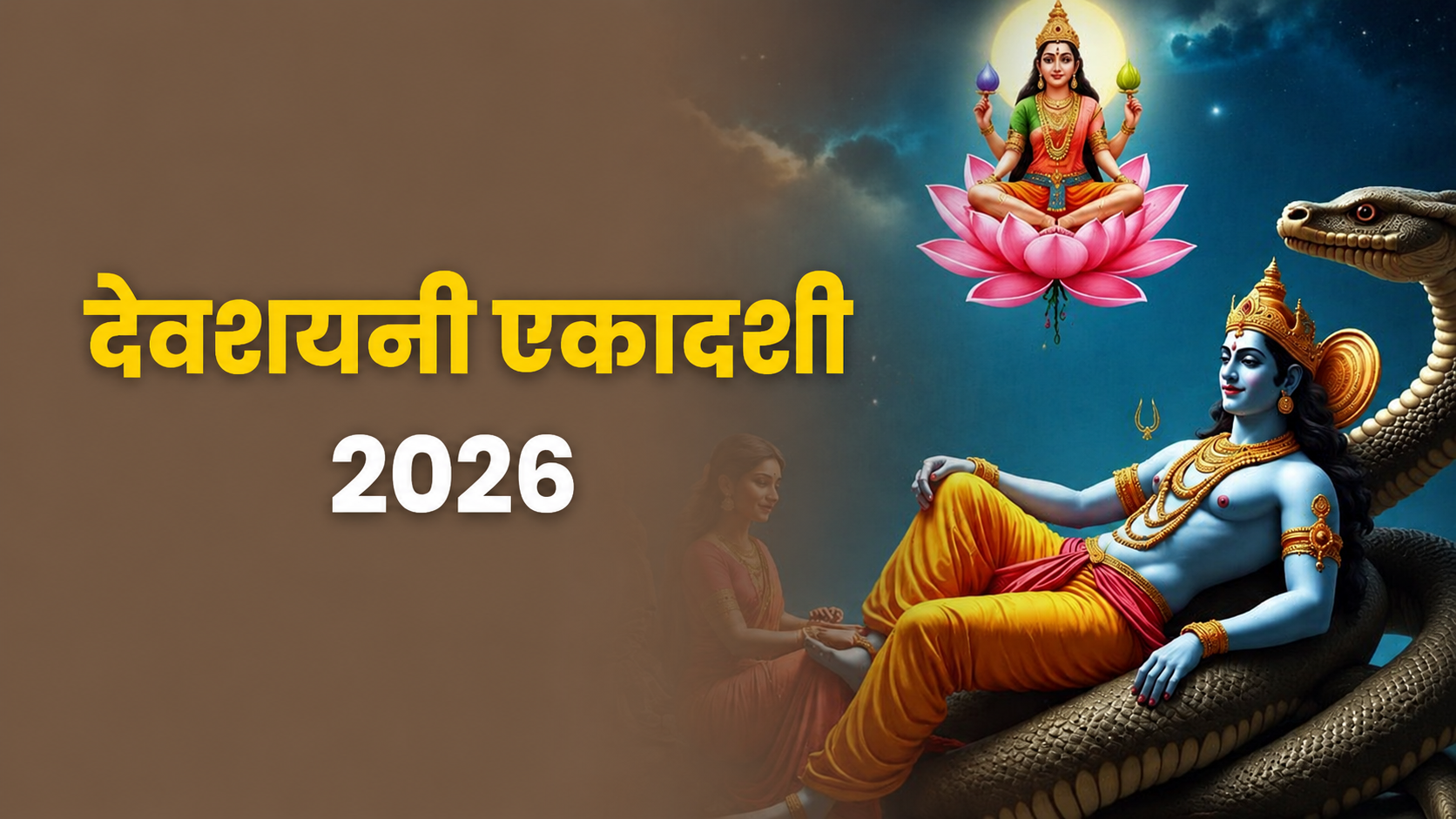
In 2026, Nirjala Ekadashi falls on Thursday, June 25. The Ekadashi Tithi begins at 8:09 PM on June 24 and ends at 9:14 PM on June 25, although the vrat itself is observed from sunrise on Ekadashi until the following morning.
Fasting without food is familiar to many households across India. Going an entire day without even a sip of water, especially during the unforgiving heat of Jyeshtha, is something else altogether. Perhaps that is why this Ekadashi has earned a reputation unlike any other. Across many parts of North India, it is also known as Bhimseni Ekadashi or Pandava Ekadashi, a name rooted in one of the Mahabharata's most relatable stories.
The Hunger of the Strongest Pandava
The Nirjala Ekadashi Significance is inseparable from Bhima, the strongest of the five Pandava brothers. His challenge, however, had nothing to do with war. Bhima loved food. While Kunti, Yudhishthira, Arjuna, Nakula, Sahadeva and Draupadi observed every Ekadashi without fail, Bhima struggled each time it came around. The Mahabharata describes his appetite as legendary, and he believed that enduring hunger was harder than facing any enemy on a battlefield. Worried that he would never receive the same spiritual merit as the rest of his family,
Bhima approached Sage Vyasa with unusual honesty. "I can give in charity," he said. "I can worship Lord Vishnu with complete devotion. But I cannot stay away from food twice every month. "Vyasa didn't dismiss his concern. Instead, he offered a practical path. He advised Bhima to observe just one Ekadashi every year: the Shukla Paksha Ekadashi in the month of Jyeshtha. If he could spend those twenty-four hours without food or water, from sunrise until the following sunrise, it would carry the same spiritual merit as observing every Ekadashi throughout the year. Bhima agreed.
The fast, according to tradition, was anything but easy. He is said to have endured the day with immense difficulty before finally completing it the next morning. Whether one reads the story literally or symbolically, its message remains the same: devotion isn't measured by ease but by sincere effort.
That is why, even today, many devotees continue to refer to this observance as Pandava Ekadashi or Bhimseni Ekadashi.
The Rules of the Fast & Puja Rituals
At its heart, the Nirjala Ekadashi Vrat Vidhi is straightforward, even if following it is anything but. The central rule remains unchanged: no food and no water until the fast is broken the next morning.
Yet the day is about much more than going hungry. Prayer, charity and quiet reflection are just as important as the fast itself. Many devotees begin the morning with a bath, offer prayers to Lord Vishnu and take a sankalpa, a formal vow to observe the vrat with sincerity. The rest of the day is often spent chanting, reading sacred texts or listening to devotional hymns.
The Nirjala Ekadashi Puja Rituals also place special emphasis on charity. Since the festival arrives during peak summer, traditional donations are chosen with the season in mind. The idea is simple: offer something that eases another person's day.
Common offerings include:
- Earthen pots (matkas) filled with drinking water
- Handwoven bamboo fans (pankhas)
- Umbrellas
- Seasonal fruits such as mangoes and melons
It is a reminder that fasting is only one expression of devotion. Sharing water, food and relief from the heat is another.
Nirjala Ekadashi: Traditional Timing Elements
| Phase |
Observation & Ritual Focus |
| Pre-Dawn |
Achamana (ritual sipping of water for purity) |
| Morning |
Sankalpa (the formal vow of abstinence) |
| Daytime |
Shravana (listening to scriptures, meditation) |
| Next Sunrise |
Parana (breaking the fast with water and grain) |
Nirjala Ekadashi 2026 Vrat Timings
| Event |
Date & Time |
| Nirjala Ekadashi |
Thursday, June 25, 2026 |
| Ekadashi Tithi Begins |
06:12 PM on June 24, 2026 |
| Ekadashi Tithi Ends |
08:09 PM on June 25, 2026 |
| Parana (Fast Breaking) Time |
05:25 AM to 08:13 AM on June 26, 2026 |
| Dwadashi Ends |
10:22 PM on June 26, 2026 |
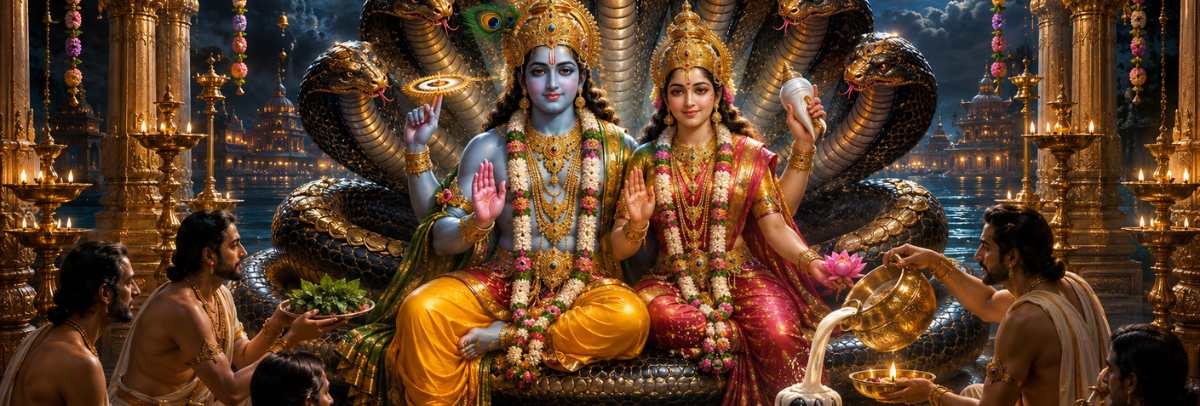
The morning rituals are meticulous. The family deity, usually an idol of Lord Vishnu or Krishna, is bathed in panchamrit: a mixture of milk, curd, honey, ghee, and sugar. The Nirjala Ekadashi Puja Rituals require a specific focus on the concept of charity. Because the weather is unforgiving, the items chosen for donation are deeply practical: hand-woven bamboo fans (pankha), umbrellas, earthen pots (matkas) that keep water cool, and seasonal fruits like melons and mangoes.
Interestingly, while the devotee cannot drink, they spend a significant part of the day ensuring others do.
In crowded market areas and outside neighbourhood temples, volunteers set up chabeels—temporary stalls offering sweet, rose-scented milk water to passing commuters, rickshaw pullers, and pedestrians. There is a beautiful irony in watching someone whose lips are parched from fasting joyfully hand out cold beverages to strangers under the midday sun.
Navigating the Ekadashi Fasting Rules
For those attempting the fast, the guidelines are unyielding but logical. The fundamental rule is absolute abstinence from water (jala). However, scripture allows for a tiny exception during the initial morning prayers: the achamana. This is the ritual purification where three drops of water are placed in the right palm and sipped. The old Sanskrit injunction notes that the water should only be enough to submerge a single mustard seed—anything more constitutes breaking the fast.
Beyond the physical restriction of water, the broader Ekadashi Fasting Rules demand a restraint of speech and thought.
For those who cannot manage the waterless fast due to age, medical conditions, or pregnancy, the rules relax. They are permitted to consume fruits and water, or a single grain-free meal known as falahar, consisting of water chestnut flour (singhare ka atta) or sago (sabudana). The underlying philosophy remains the same: a conscious pause in our consumption-driven lives.
The Interior Shift: Spiritual Benefits
Why do millions continue to choose this intense voluntary deprivation? The answer lies in the subtle Nirjala Ekadashi benefits that emerge when the body is forced into complete stillness.
In modern wellness circles, intermittent fasting and dry fasting are often discussed for their cellular detoxifying properties. But the traditional perspective views this benefit through a psychological lens. When you deny the body its most primal need—water—the mind is forced to confront its attachments. Every hour that passes without a drink becomes a lesson in endurance and willpower.
By late afternoon, when the temple queues have thinned and the heat becomes oppressive, many devotees sit quietly in the pillared halls, listening to the rhythmic chanting of the Vishnu Sahasranama (the thousand names of Vishnu). The atmosphere is thick with the scent of burning camphor and melting ghee. In this state of physical emptiness, the noise of daily anxieties seems to fade away. The mind, stripped of its usual distractions, finds a quiet clarity that is rare in modern life.
The Breaking of the Vow
The fast ends only on the following morning, during the specific auspicious window known as Parana.
The house wakes up early again. A fresh prayer is offered, and the water pots that sat on the altar through the heat of the previous day are finally donated to Brahmins or the needy, along with clothes and food grains.
Only after these gifts are given does the devotee take their first sip of water. It is usually taken with a single tulsi leaf. To watch someone break this fast is to witness a profound moment of gratitude for something most of us take for granted every single day. The water is not gulped down; it is received as a sacred gift, tasted slowly, almost reverently.
The ritual itself lasts just over twenty-four hours. But its true purpose, as the old priests often remind the younger generation, is to leave behind a lingering awareness of self-restraint and a deep empathy for those whose thirst is not a choice but a daily reality. By afternoon, the temple courtyard is quiet again, the empty brass pots are taken home, and life returns to its regular rhythm, slightly altered by the quiet discipline of the day before.
FAQs
Q1. Can I wash my hair or take a bath while observing the Nirjala Ekadashi fast?
Ans. Yes. A morning bath is actually part of the initial purification ritual before taking the vow (sankalpa) of the fast. While you’re not supposed to take water inside, you are free to maintain your physical hygiene, like taking a bath or washing your face to cool yourself down from the summer heat. The restriction is only on drinking.
Q2. What should I do if I accidentally swallow water while brushing my teeth?
Ans. Intent matters most in traditional practices. If a few drops of water are swallowed inadvertently during morning cleaning before you have formally stated your vow, the fast is generally not considered broken. However, to avoid this worry, many traditional families choose to clean their teeth using herbal twigs (datoon) or simply rinse very carefully before sunrise on the day of the fast.
Q3. Is it compulsory to give away the brass pots used during the puja?
Ans. While copper or brass pots (kalash) are highly traditional and considered auspicious for donation, they are not a rigid requirement if they are outside your budget. The underlying spirit of the day is practical charity during peak summer. Giving away simple earthenware pots (matkas), which are highly effective at keeping water cool for travellers and workers, is widely considered just as meritorious.
Q4. Can those who are unwell modify the rules of this specific Ekadashi?
Ans. Absolutely. Traditional texts clearly mention that the rules of absolute water abstinence do not apply to children, the elderly, the sick and pregnant women. You can do a falahari fast, which is abstaining from grains, salt and spices but drinking water, milk and fresh fruits, if health considerations do not allow you to do a dry fast.
Q5. What is the correct way to break the fast on Dwadashi morning?
Ans. The fast should be broken in the Parana time slot on the morning after Ekadashi. Traditionally, you should first offer food, water and summer charity items to a needy person or a temple priest. After this, you break your own fast by sipping water with a tulsi leaf in it and then eating a light, easily digestible meal. Avoid heavy or oily foods immediately after a long period of dehydration.