Narak Chaturdashi 2026 Date, Abhyang Snan Muhurat and Significance

Dheeraj Khandelwal
calender November 3, 2026

Just before Diwali, the house starts to hum. Brass lamps are wiped and lined up by the door, rangoli powder is sorted into small bowls, and somebody sets an alarm for an hour when most people are still asleep. That alarm belongs to Narak Chaturdashi 2026, a day that brings the excitement of Diwali into everyday rituals, from the pre-dawn Abhyang Snan to lamps lit at dusk.


Narak Chaturdashi, widely known as Choti Diwali, is associated with the triumph of good over evil, purification and protection. Depending on the region, it is also called Roop Chaudas or Kali Chaudas. This year the Chaturdashi tithi stretches across two calendar dates and runs almost straight into the Diwali new moon, so the day deserves a closer look than usual. This guide covers the date, the Abhyang Snan muhurat, the legend of Narakasura and the customs families follow.


Narak Chaturdashi 2026: Date and Tithi Timings


For most of India, Narak Chaturdashi 2026 falls on Sunday, 8 November, because the pre-dawn Abhyang Snan is the observance that fixes the date. The timings below are for New Delhi and follow Drik Panchang. 


Detail Information
Narak Chaturdashi (Abhyang Snan day) Sunday, 8 November 2026
Chaturdashi Tithi begins 7 November 2026, 10:47 AM
Chaturdashi Tithi ends 8 November 2026, 11:27 AM
Abhyang Snan, Muhurat (New Delhi) 5:41 AM to 6:38 AM, 8 November
Kali Chaudas night Saturday, 7 November 2026
Diwali (Lakshmi Puja) Sunday, 8 November 2026


Because the tithi spans two dates, different observances follow different clocks. The oil bath belongs to the hours before sunrise while Chaturdashi is still in force, which points to the morning of 8 November. Kali Chaudas and the lamp-lighting at dusk belong to the evening and night, which is why many calendars list Choti Diwali on Saturday, 7 November. These are separate observances rather than a disagreement. Some panchangs quote the tithi a couple of minutes later (around 10:49 AM and 11:29 AM), and calendars for the UK, the USA and Canada place Narak Chaturdashi on 7 November because of local sunrise. Check the panchang for your own city.


What Is Narak Chaturdashi and Why Is It Celebrated?


Narak Chaturdashi falls on the fourteenth day of the dark fortnight in the month of Kartik, the second day of the five-day Diwali period in most calendars. It is traditionally understood as a day that marks the destruction of evil, release from suffering and the return of peace. The festival goes by several names, and they overlap in everyday speech:


  • Narak Chaturdashi: linked with the defeat of the demon Narakasura.

  • Choti Diwali: the common name for the observance before the main Diwali celebrations.

  • Roop Chaudas or Roop Chaturdashi: associated with beauty, personal care and the ritual bath.

  • Kali Chaudas: tied to Goddess Kali worship in certain regional traditions, especially in western India.


Rituals and timings differ from one region and community to the next, and no household is obliged to follow every custom described here.


The Legend of Narakasura: The Triumph of Good Over Evil


According to the traditional account, Narakasura was a powerful demon king whose rule brought fear and misery. He is said to have seized territory, troubled the devas and held thousands of people captive. In the version most often retold, the number of captives is 16,000.


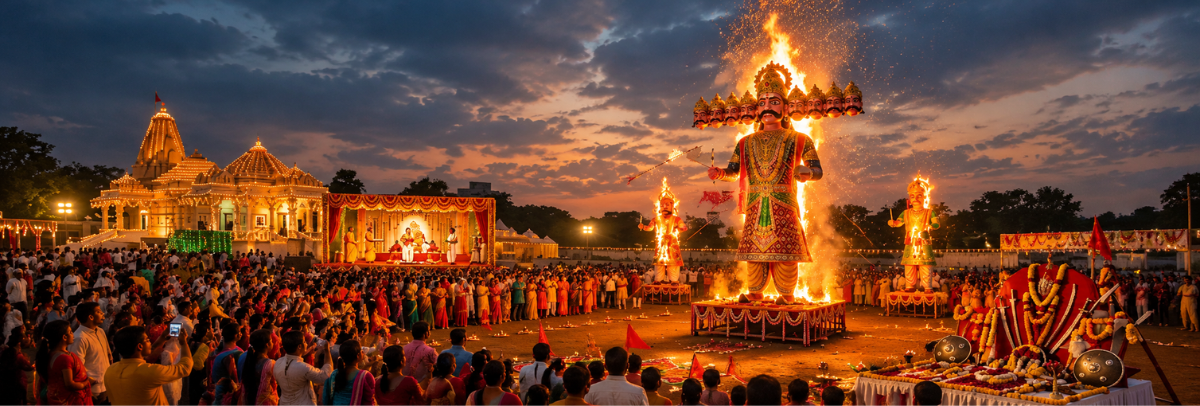
The story goes that Lord Krishna, accompanied by his consort Satyabhama, set out to end his tyranny. Narakasura was defeated, the prisoners were freed and peace was restored. Devotees remember the episode as a story of liberation from oppression, and it is the main reason the day is associated with the victory of good over evil.


Some traditions connect the day with Goddess Kali rather than, or alongside, Krishna. This is a distinct religious association with its own stories, and it is best understood on its own terms rather than as part of a single combined legend.


Abhyang Snan Muhurat 2026: The Significance of the Pre-Dawn Bath


The Abhyang Snan muhurat 2026 for New Delhi is 5:41 AM to 6:38 AM on Sunday, 8 November, a window of 57 minutes ending at sunrise. Drik Panchang calculates it as the period between moonrise and sunrise while Chaturdashi is in force. Some other sources quote a slightly wider window, roughly 5:38 AM to 6:40 AM, and the difference comes down to calculation method. Treat the two as separate figures and use the one given for your own city.


Abhyang Snan is a traditional oil bath taken before dawn on this day. It is commonly understood as a rite of purification and renewal, a way of washing away the previous year's tiredness and negativity before Diwali begins in earnest. The customary steps are:


  • Massaging sesame oil into the body before bathing.

  • Applying ubtan, a paste traditionally made from gram flour, turmeric and herbs.

  • Bathing before sunrise, within the prescribed period.

  • Putting on clean clothes and starting the day with prayers.


The tradition holds that this bath keeps a person from the sufferings associated with Naraka. Most families treat it as a symbolic and cultural practice, and it is not a promise of any particular outcome.


Kali Chaudas 2026: Worship of Goddess Kali


Kali Chaudas 2026 is reported for the night of Saturday, 7 November, because it is decided by Chaturdashi at midnight rather than at dawn. It is most closely associated with western India, particularly Gujarati, Rajasthani and Maharashtrian households. There, the night is linked with Goddess Kali, or Mahakali, and prayers are offered for courage, protection and freedom from fear. In some regional customs, Lord Hanuman is also worshipped on this day.


Observance differs widely. Not every household performs a Kali Chaudas puja, and the exact timing depends on the local calendar, so families who follow the custom usually consult their own panchang or temple. Elsewhere in India, the day is simply known as Narak Chaturdashi.


Narak Chaturdashi Puja Vidhi and Traditional Customs


The Narak Chaturdashi puja vidhi is simple, and it follows a rough order through the day. Families adapt it to their own tradition.


  1. Pre-dawn bath and prayers: The day begins with the Abhyang Snan described above, followed by clean clothes and prayers. Many devotees worship Lord Krishna, and others remember Goddess Kali or the deity their family traditionally honours.

  2. Cleaning and preparing the home: By now the house has usually been cleaned for Diwali. Doorways are decorated, rangoli is laid and lamps are readied. These preparations reflect the wider themes of renewal and welcoming good fortune.

  3. Lighting the Yama Diya: At dusk, a lamp is lit in honour of Lord Yama, traditionally placed outside the home facing south. The practice is a prayer for protection from untimely death and from the suffering associated with Naraka. As the tithi spans two dates, many households light it on the evening of 7 November, but local custom varies.


None of these customs is mandatory. A sincere prayer and a lit lamp are enough for many families.


The Significance of Narak Chaturdashi in the Diwali Celebrations


Purification, protection, renewal and the victory of good over evil run through everything done on this day. The pre-dawn bath cleanses, the story of Narakasura gives the festival its moral centre and the lamps at dusk turn that message into something visible. Narak Chaturdashi builds the anticipation for Lakshmi Puja while keeping its own stories and rituals.


In 2026 the link is especially close. Chaturdashi ends at 11:27 AM on 8 November, and Amavasya, the night of Lakshmi Puja, begins the same day. Experience of the festival still varies by region. Some households keep Choti Diwali on Saturday evening, others observe it with the Sunday morning bath, and the sequence of the wider Diwali period depends on the local calendar.


Conclusion: Narak Chaturdashi 2026 and the Light Before Diwali


Narak Chaturdashi 2026 gathers a good deal into a single day: the old story of Narakasura's defeat, the quiet symbolism of a bath taken in the dark and the warmth of lamps lit as evening falls. It is both a celebration of good overcoming evil and a moment of preparation before Lakshmi Puja. Dates and timings shift with location, so check your local panchang for the correct day and the Abhyang Snan muhurat before you plan the morning.


Frequently Asked Questions


Q1. When is Narak Chaturdashi in 2026?

Ans. In most of India, Narak Chaturdashi falls on Sunday, 8 November 2026, the day of the Abhyang Snan. Chaturdashi Tithi runs from 10:47 AM on 7 November to 11:27 AM on 8 November, so some calendars show Choti Diwali on 7 November.


Q2. What is the Abhyang Snan Muhurat for Narak Chaturdashi 2026?

Ans. For New Delhi, it is 5:41 AM to 6:38 AM on 8 November 2026. Timings vary by city, so check a panchang set to your location.


Q3. What is the story behind Narak Chaturdashi?

Ans. Tradition says Lord Krishna, with Satyabhama, defeated the demon Narakasura and freed the 16,000 people he had held captive. The day is remembered as the victory of good over evil.


Q4. What is the significance of Kali Chaudas?

Ans. Kali Chaudas is observed mainly in parts of western India, where the night is linked with Goddess Kali and prayers for protection and courage. In 2026 it is reported for the night of 7 November.


Q5. How is Narak Chaturdashi puja performed at home?

Ans. Most families begin with an oil bath and ubtan before sunrise, put on clean clothes and offer prayers. At dusk, a lamp is lit for Lord Yama and the home is decorated with diyas. Customs vary by family and region.

You Might Also Be Interested In This